Category: Pharmaceutical Information - Page 2
 19 February 2026
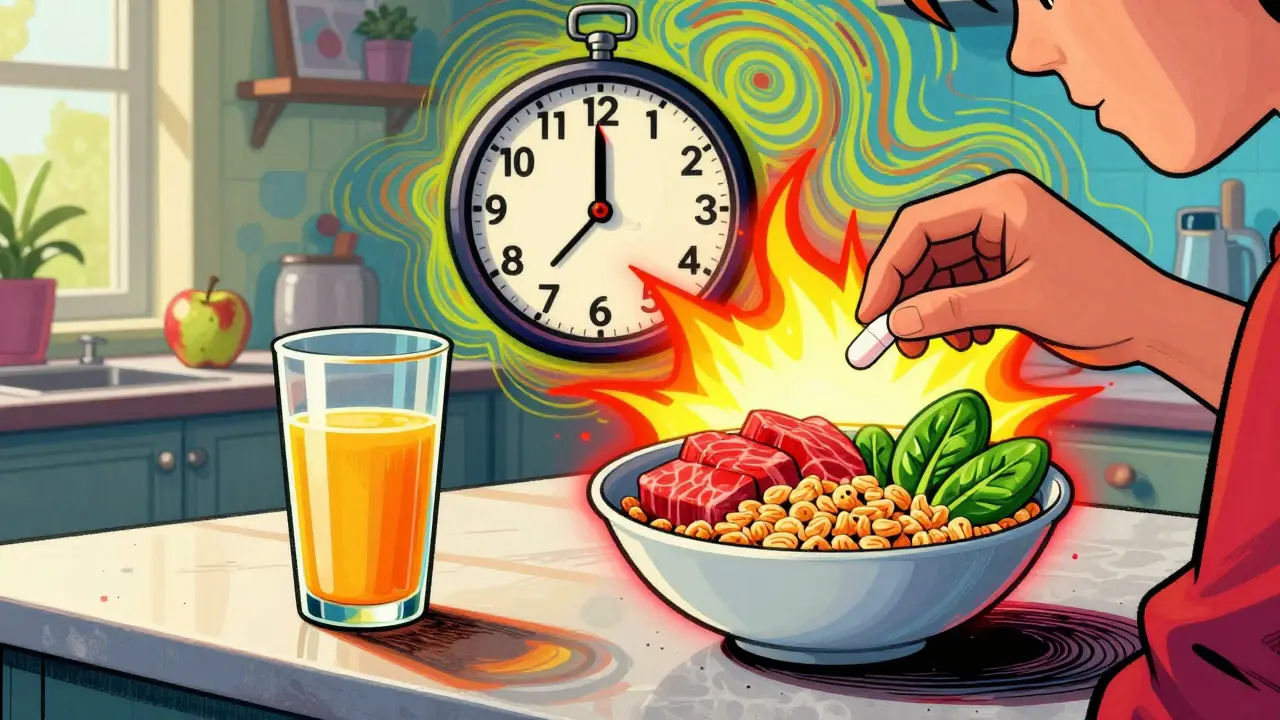
Iron-Rich Meals and Thyroid Medication: The 4-Hour Rule to Avoid Treatment Failure
Iron-rich meals and supplements can block thyroid medication absorption by up to 50%. Learn the 4-hour rule to ensure your levothyroxine works and avoid treatment failure.
 12 February 2026
Online Pharmacies and Generics: How to Spot Safe vs. Dangerous Sources
Online pharmacies offer convenience and savings, but many sell counterfeit or dangerous generics. Learn how to identify legitimate, VIPPS-accredited pharmacies and avoid unsafe sites that put your health at risk.
 9 February 2026
Pregnancy Trimester-Specific Medication Risks: Safer Timing Strategies
Medication risks during pregnancy vary by trimester, with the first trimester posing the highest risk for birth defects. Learn which drugs are safest at each stage, how timing affects fetal development, and what to do if you took medication before knowing you were pregnant.
 8 February 2026
Proton Pump Inhibitors and Osteoporosis: What You Need to Know About Fracture Risk
Long-term use of proton pump inhibitors may increase fracture risk, especially in older adults and women. Learn how PPIs affect bone health, who’s most at risk, and what steps to take to protect your bones while managing acid reflux.
 7 February 2026
Pharmacy Verification Services: How to Check Online Pharmacy Licenses
Learn how to verify online pharmacy licenses to avoid counterfeit drugs. Discover state and national verification systems, step-by-step checks, and how to protect yourself from illegal online pharmacies.
 5 February 2026
Opioid vs Non-Opioid Pain Meds: Safety Facts You Need to Know
Opioid painkillers carry serious risks like addiction and heart problems, while non-opioid options often work just as well for everyday pain. Learn the latest safety facts, CDC guidelines, and safer alternatives for managing pain.
 4 February 2026
Placebo Effect in Generic Drugs: Managing Psychological Factors for Effective Treatment
Placebo effect in generics: belief in medication affects outcomes. Brand-labeled placebos work better than generic-labeled ones. This impacts adherence and treatment success. Providers can help by explaining bioequivalence. Understanding psychological factors improves generic drug effectiveness.
 3 February 2026
Mail-Order Pharmacy Generic Practices: Quality Considerations You Need to Know
Mail-order pharmacies dispense 90% generic drugs with strict quality controls, but temperature risks during shipping remain a concern. Learn how these systems ensure safety, what can go wrong, and how to protect your medication.
 30 January 2026
Corticosteroids: When Short-Term Relief Outweighs Long-Term Risks
Corticosteroids offer fast relief for inflammation but carry serious short- and long-term risks. Learn when they’re necessary, how to minimize harm, and what alternatives exist.
 26 January 2026
How to Prevent Heat-Related Medication Problems in Seniors
Heat can turn common senior medications into silent killers. Learn which drugs increase heat risk, how to adjust them safely, and what signs to watch for to prevent heat exhaustion and heat stroke in older adults.