
Drug Interaction Checker: PK vs PD
Check if two medications interact and understand why. Enter two drugs to see if they cause pharmacokinetic (PK) or pharmacodynamic (PD) interactions and how to manage them.
Interaction Found
No Interaction Found
These medications do not have a known significant pharmacokinetic or pharmacodynamic interaction.
However, always consult your pharmacist or physician before combining medications.
Two drugs taken together don’t just add up-they can multiply risks, cancel out benefits, or cause dangerous side effects. This isn’t guesswork. It’s science. And the science breaks down into two clear categories: pharmacokinetic and pharmacodynamic drug interactions. If you’re on more than one medication-especially if you’re over 65-you need to understand the difference. One wrong combination can land you in the hospital. The other might just make your treatment useless.
What Pharmacokinetic Interactions Really Mean
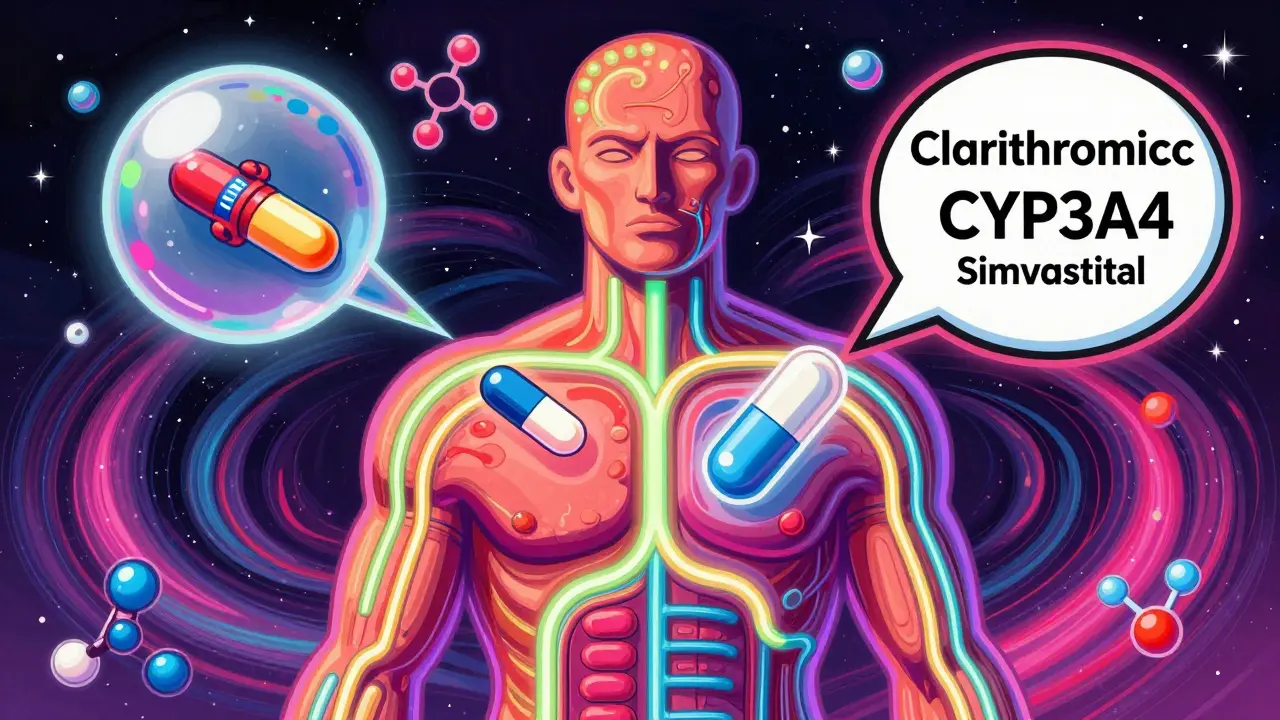
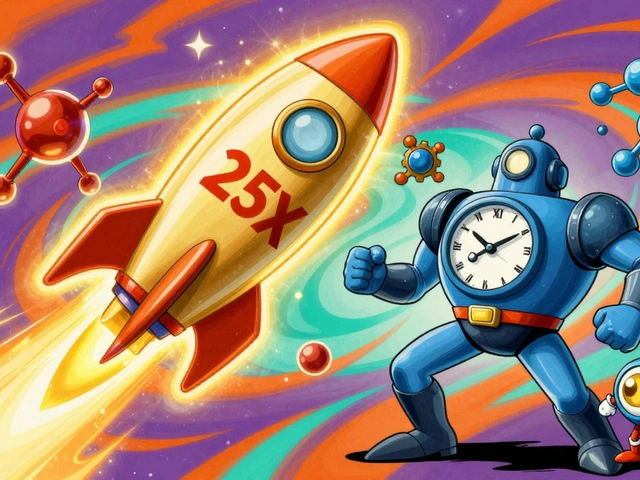
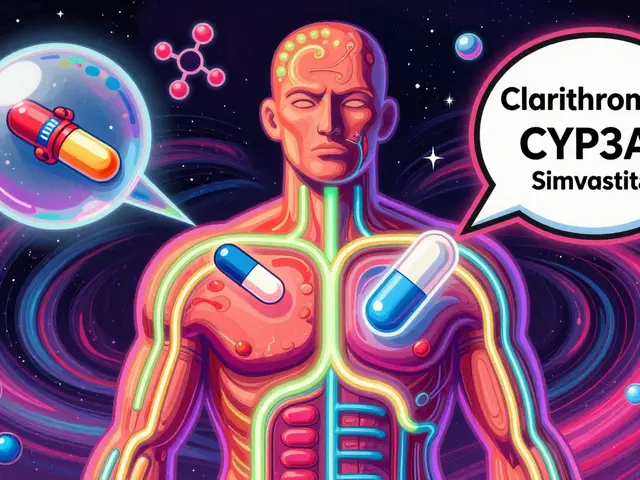
Pharmacokinetics is what your body does to the drug. Think of it like a delivery system: how the drug gets in, moves around, gets broken down, and leaves. If any part of that system gets disrupted, the amount of drug reaching your target changes-and that changes everything. The four big players in pharmacokinetic interactions are absorption, distribution, metabolism, and excretion (ADME). Let’s break them down with real examples. Antacids like Tums or Maalox can cut the absorption of antibiotics like ciprofloxacin by 75-90%. That means the drug never reaches enough of your bloodstream to kill the infection. It’s not that the antibiotic is weak-it’s that your stomach acid neutralizer blocked it. Then there’s distribution. Warfarin, a blood thinner, sticks tightly to proteins in your blood. If you take phenylbutazone (a painkiller no longer sold in the U.S. but still used elsewhere), it kicks warfarin off those proteins. Suddenly, your free warfarin levels jump by 300%. That’s not a small change. That’s a bleeding risk. Metabolism is where most of the trouble happens. About 75% of all clinically significant drug interactions involve the cytochrome P450 enzyme system-especially CYP3A4. Clarithromycin, a common antibiotic, shuts down CYP3A4. When that happens, simvastatin (a cholesterol drug) builds up to 10 times its normal level. That’s not just a side effect-it’s rhabdomyolysis, a life-threatening muscle breakdown. Excretion matters too. Probenecid, used for gout, blocks the kidneys from flushing out penicillin. That’s actually intentional in some cases-doctors use it to make penicillin last longer. But if you’re not aware of it, you might think your infection isn’t clearing because the drug isn’t working, when it’s actually working too well.What Pharmacodynamic Interactions Really Mean
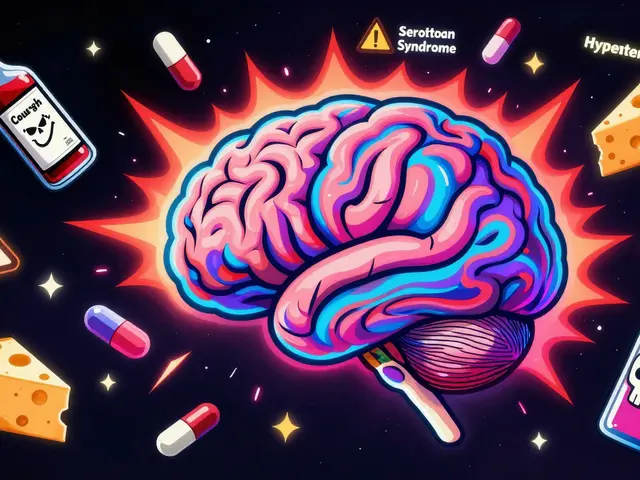
Pharmacodynamics is what the drug does to your body. It’s about receptors, pathways, and responses. Two drugs can be at perfect concentrations-but if they’re both hitting the same system, things go sideways. There are three types: synergistic, additive, and antagonistic. Synergistic means the combined effect is way more than the sum. Take sildenafil (Viagra) and nitroglycerin (for angina). Each lowers blood pressure a little. Together? They can drop it so fast you pass out-or worse. This isn’t rare. It’s a known, deadly combo that’s been documented for decades. Additive means the effects pile up. Warfarin and aspirin? Both thin the blood. Together, they raise bleeding risk more than either alone. No surprise, right? But here’s the catch: many people think aspirin is “safe” because it’s over the counter. It’s not when paired with warfarin. Antagonistic means one drug cancels the other. Naloxone (Narcan) reverses opioid overdoses by kicking opioids off their receptors. That’s lifesaving. But if you’re on long-term opioids and someone gives you naloxone without warning? You go into full withdrawal-pain, vomiting, seizures. It’s not the drug’s fault. It’s the interaction. CNS drugs are especially tricky. Antidepressants, antipsychotics, and opioids often interact pharmacodynamically. The 2023 Pharmacological Reviews study found that 85% of CNS drug interactions fall into this category. Serotonin syndrome-caused by mixing SSRIs with MAO inhibitors-is a classic. It’s not about too much drug. It’s about too much serotonin. And it can kill you in hours.The Key Difference: Concentration vs. Response
Here’s the simplest way to tell them apart: - Pharmacokinetic = changed drug amount at the site. - Pharmacodynamic = changed drug effect at the site. Think of it like turning up the volume on a speaker versus changing the song. Pharmacokinetic is turning the volume knob. Pharmacodynamic is switching from classical music to heavy metal. This matters because how you fix them is totally different. If it’s pharmacokinetic-say, clarithromycin boosting simvastatin levels-you can reduce the simvastatin dose. The FDA says drop it to 10 mg. You monitor. You adjust. You’re done. If it’s pharmacodynamic-like mixing MAO inhibitors with SSRIs-you don’t adjust the dose. You don’t monitor. You avoid it completely. No safe level exists. It’s a hard contraindication. Dr. David E. Golan put it best: PK interactions shift the dose-response curve sideways. PD interactions shift it up or down. One changes how much you need. The other changes what the drug can do.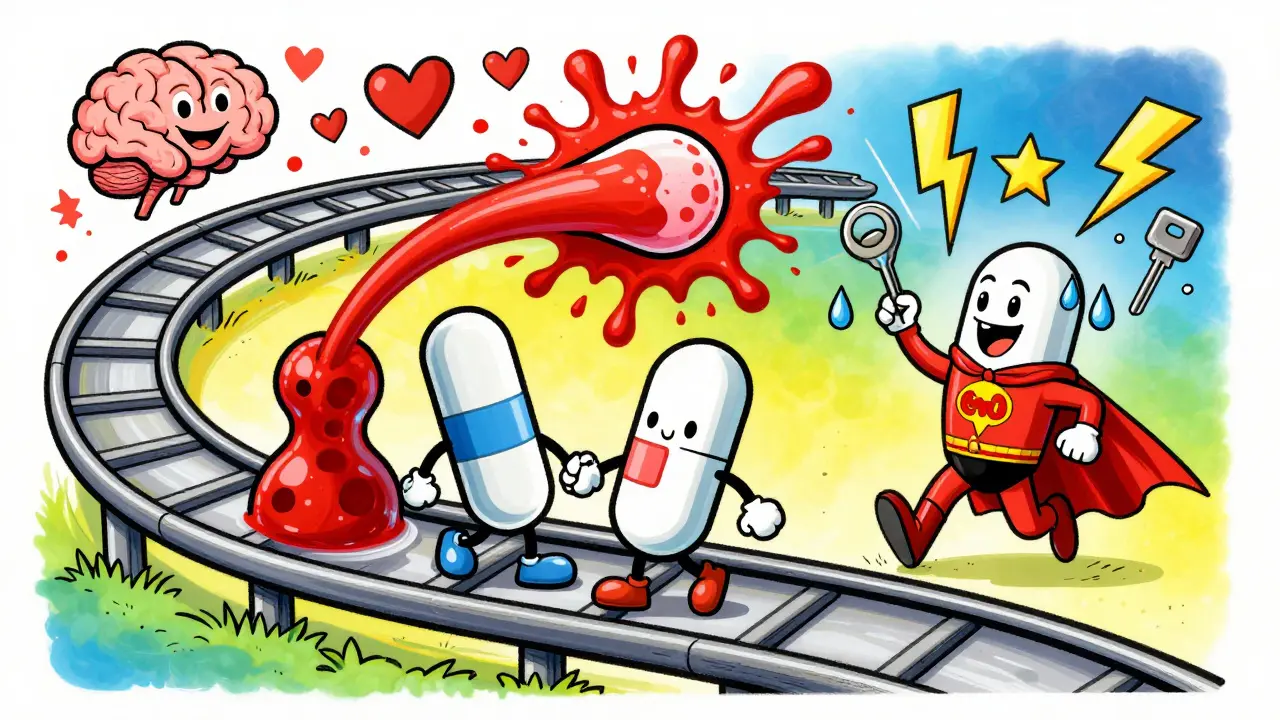
Which Ones Are More Common? And Which Are More Dangerous?
You might think pharmacokinetic interactions are the biggest threat because they involve enzymes and metabolism. And yes-they’re more common. About 47% of major drug interactions fall into this category. But pharmacodynamic interactions? They’re sneakier. They account for 37% of major interactions, but 78% of CNS-related ones. And here’s the kicker: they’re often missed. Why? Because blood tests don’t show them. Your digoxin level looks normal. Your INR is fine. But your blood pressure just dropped. Your heart rate spiked. You’re dizzy. No lab value explains it. That’s pharmacodynamic. It’s invisible on a test. You have to know the drugs, know the systems, and connect the dots. Narrow therapeutic index drugs-like warfarin, digoxin, phenytoin-are especially vulnerable to pharmacokinetic changes. Sixty-eight percent of serious interactions with these drugs are PK-based. But for heart meds and antidepressants? It’s mostly PD.How Doctors and Pharmacists Manage These Interactions Today
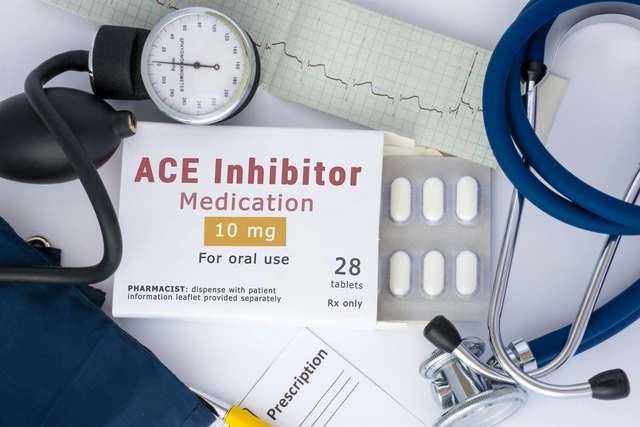
This isn’t just theory. It’s daily practice. Pharmacists use tools like the Flockhart Table to screen for CYP3A4 and CYP2D6 interactions. Electronic health records now flag over 1,200 high-risk pharmacokinetic interactions and nearly 1,000 high-risk pharmacodynamic ones. For PK interactions, therapeutic drug monitoring (TDM) is key. Blood levels of drugs like lithium, vancomycin, and phenytoin are tracked to stay in the safe range. There are 37 medications where TDM is standard practice. For PD interactions, it’s about watching symptoms. If you’re on two sedatives, check your breathing. If you’re on two blood thinners, check your INR. If you’re on an ACE inhibitor and an NSAID, check your kidney function and blood pressure-NSAIDs can blunt the effect by 25-30%. The American Society of Health-System Pharmacists says CYP3A4 interactions are the #1 reason for drug intervention. And the latest FDA guidance now requires testing against 11 enzymes and 8 transporters-up from just 7 enzymes in 2017. Pharmacogenomics is changing the game too. If you’re a poor metabolizer of CYP2D6, even a normal dose of codeine can turn into a dangerous morphine overload. The CPIC now has 32 gene-drug pairs that guide dosing based on genetics.
What You Can Do Right Now
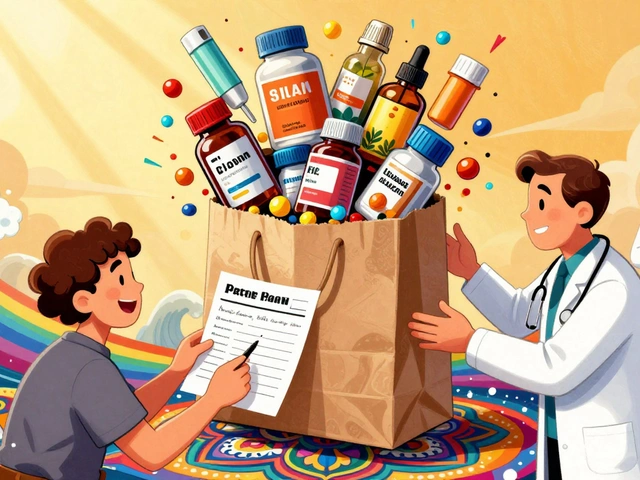
You don’t need to be a doctor to protect yourself.- Keep a full list of everything you take-prescriptions, OTCs, supplements, herbs. Don’t forget ibuprofen, melatonin, or St. John’s wort.
- Ask your pharmacist: “Could any of these interact?” Not your doctor. Pharmacists are the interaction experts.
- If you start a new drug and feel weird within a few days-dizziness, nausea, weakness, confusion-don’t ignore it. It might be a PK interaction.
- If you feel fine but your blood pressure didn’t drop, or your pain didn’t improve, even with the right dose-it could be PD. Ask if the new drug is working against your old one.
- Never stop or start a drug without checking. Even something as simple as grapefruit juice can wreck your meds.
The Bottom Line
Pharmacokinetic interactions are about the drug’s journey through your body. They’re often fixable with dose changes. Pharmacodynamic interactions are about how your body reacts to the drug. They’re often deal-breakers. One isn’t worse than the other. They’re both dangerous in different ways. And both are preventable-if you know what to look for. By 2030, better understanding of these interactions could prevent 1.3 million adverse drug events worldwide. That’s not a statistic. That’s your neighbor. Your parent. You. Know the difference. Ask the question. Save yourself a trip to the ER.What’s the difference between pharmacokinetic and pharmacodynamic drug interactions?
Pharmacokinetic interactions affect how your body processes a drug-its absorption, distribution, metabolism, or excretion. This changes the drug’s concentration in your blood. Pharmacodynamic interactions affect how the drug works in your body-how it binds to receptors or affects physiological systems. This changes the drug’s effect, even if the concentration stays the same.
Can pharmacokinetic interactions be managed with dose changes?
Yes, often. If one drug slows the metabolism of another, lowering the dose of the affected drug can prevent toxicity. For example, when clarithromycin is taken with simvastatin, the simvastatin dose is reduced from 80 mg to 10 mg to avoid muscle damage. Therapeutic drug monitoring helps guide these adjustments.
Why are pharmacodynamic interactions harder to predict?
Because they don’t show up in blood tests. You can measure how much drug is in your system, but you can’t easily measure how your nerves, heart, or brain are responding to two drugs at once. Effects like serotonin syndrome or additive sedation depend on complex biology that varies from person to person.
Which drugs are most likely to cause dangerous interactions?
Narrow therapeutic index drugs like warfarin, digoxin, and phenytoin are prone to pharmacokinetic interactions. CNS drugs like SSRIs, opioids, and benzodiazepines are most likely to cause pharmacodynamic interactions. Also, drugs metabolized by CYP3A4 (like statins, calcium channel blockers, and some antibiotics) and those affecting serotonin or blood pressure are high-risk.
Can over-the-counter drugs cause serious interactions?
Absolutely. Ibuprofen can reduce the effectiveness of blood pressure meds. Aspirin increases bleeding risk with warfarin. St. John’s wort can make birth control, antidepressants, and transplant drugs fail. Even antacids can block antibiotics. OTC doesn’t mean safe when mixed.
How can I check for drug interactions myself?
Use a reliable drug interaction checker from a trusted source like Medscape, Micromedex, or your pharmacy’s portal. But don’t rely on apps alone. Always discuss your full medication list-including supplements-with your pharmacist. They’re trained to catch what algorithms miss.



January 14, 2026 AT 14:34
Diana Campos Ortiz
So many people think OTC means safe, but aspirin with warfarin? That’s a one-way ticket to the ER. I had a cousin who didn’t know until she started bleeding out from a nosebleed. Never again.
January 15, 2026 AT 02:28
laura Drever
tl;dr - drugs mess with each other. stop taking stuff. live longer. maybe.
January 16, 2026 AT 09:50
Jesse Ibarra
Of course you’re going to get killed by drug interactions if you’re taking 17 supplements, 5 prescriptions, and a handful of ‘natural’ remedies you found on Instagram. This isn’t rocket science-it’s basic hygiene. If you can’t manage your own meds, maybe you shouldn’t be allowed to buy them. #StopBeingADumbass
January 16, 2026 AT 18:32
jefferson fernandes
Listen, I’ve been a pharmacist for 22 years, and I still get startled by some of these interactions. I had a 78-year-old woman come in last week on simvastatin, clarithromycin, and grapefruit juice-she didn’t even know grapefruit was a problem. We got her switched to pravastatin before she lost a leg. You don’t need to be a doctor, but you do need to ask the pharmacist. Not Google. Not your cousin who ‘reads a lot.’ The pharmacist. Always. And bring your whole list-every pill, every drop, every tea bag.
January 17, 2026 AT 01:33
Acacia Hendrix
While the pharmacokinetic-pharmacodynamic dichotomy is pedagogically elegant, it’s an oversimplification of a complex, multivariate pharmacological landscape. The CYP450 system doesn’t operate in isolation-it’s entangled with transporters like P-gp and BCRP, and epigenetic modulation of receptor expression introduces non-linear, individualized response curves that render categorical distinctions like ‘synergistic’ or ‘antagonistic’ statistically noisy. The real clinical imperative lies not in memorizing interaction tables, but in cultivating a systems pharmacology mindset.
January 18, 2026 AT 08:25
James Castner
There’s something profoundly human here, isn’t there? We live in an age where we can map the human genome but still can’t trust our own medicine cabinets. We’re told to be proactive, to be informed, yet the system is designed to overwhelm us-with pills, with labels, with conflicting advice. This isn’t just about enzymes and receptors-it’s about dignity. It’s about the elderly woman who takes her husband’s leftover blood thinner because she’s afraid to ask. It’s about the student who pops ibuprofen with her antidepressant because she’s tired of headaches. We need to stop treating drug interactions like a technical problem and start treating them like a moral one. If we can’t protect the most vulnerable among us from preventable harm, what kind of society are we?
January 19, 2026 AT 04:59
Adam Rivera
My grandma’s on 12 meds and she’s 84. She doesn’t know half of what they do. I made her a color-coded chart with pictures of the pills and what they’re for. Now she shows me every time she takes one. Small thing. Big difference. You don’t need a PhD to help someone stay safe.
January 20, 2026 AT 08:48
Rosalee Vanness
I used to roll my eyes at pharmacists who asked for my ‘whole list’-I thought it was overkill. Then I started taking melatonin for sleep and turmeric for ‘inflammation’ and suddenly I was dizzy, nauseous, and my INR spiked. Turns out turmeric is a mild anticoagulant. Melatonin messes with CYP1A2. My pharmacist caught it before I ended up in the ER. Now I bring a bag of everything I take to every appointment-even the gummy vitamins. It’s embarrassing, but it’s saved my life. Don’t be like me. Be smarter.
January 21, 2026 AT 19:57
lucy cooke
Oh, so now we’re all supposed to become pharmacologists? How quaint. The real tragedy isn’t drug interactions-it’s the medical-industrial complex turning our bodies into puzzle boxes we’re not allowed to solve. They sell us the drugs, then charge us for the ‘education’ to avoid the side effects they engineered. Wake up. This isn’t science. It’s profit disguised as safety.
January 22, 2026 AT 20:42
Vinaypriy Wane
And yet, in India, we don’t even have access to proper pharmacy counseling-most people buy meds from street vendors who don’t know what’s in them. This post is brilliant, but it’s useless to the people who need it most. We need policy. We need free pharmacist access. We need education in schools. Not just ‘ask your pharmacist’-that’s a luxury for the privileged. This isn’t about personal responsibility-it’s about systemic failure.
January 23, 2026 AT 14:27
Trevor Davis
I used to be the guy who thought ‘I know what I’m doing.’ Then I mixed fluoxetine with tramadol. Ended up in the hospital with serotonin syndrome. Took three days to come out of it. I’m alive because my wife called 911. Now I carry a card in my wallet that says ‘SSRI + Opioid = Danger.’ I don’t care if it looks dumb. I’d rather look dumb than dead.