Medication Safety and Drug Interactions in November 2025
When it comes to medication safety, the practice of using drugs correctly to avoid harm while maximizing benefits. Also known as drug safety, it’s not just about taking pills as directed—it’s about understanding how your body, other meds, and even your diet can turn a helpful treatment into a serious risk. In November 2025, the focus was on real-world dangers most people never see coming: a common antibiotic making blood pressure drugs deadly, calcium supplements blocking thyroid meds, or liver damage turning painkillers into poison.
One big theme? drug interactions, when two or more substances affect each other’s behavior in the body, often with dangerous results. Clarithromycin, for example, doesn’t just fight infections—it can spike levels of blood pressure meds like amlodipine, causing fainting or worse. Meanwhile, calcium and iron don’t just sit quietly in your gut—they lock onto antibiotics and thyroid pills, making them useless. And if you’re on statins and hitting the gym, muscle pain might not be normal fatigue—it could be your genes (like the SLCO1B1 variant) telling you your body can’t handle that specific drug. This isn’t theory. These are the exact cases doctors are now catching before patients end up in the ER.
Then there’s FDA safety communications, official alerts from the U.S. Food and Drug Administration that warn about newly discovered risks with approved drugs. Knowing how to read these isn’t for pharmacists—it’s for anyone taking more than one pill. A single alert can tell you if your painkiller is risky with liver disease, if your psoriasis drug raises infection chances, or if your hearing aid might be the only safe option for otosclerosis. And it’s not just the FDA. Global sources like WHO and UMC are now part of the conversation, helping people track drug safety across borders. You don’t need to be a scientist to understand these alerts—you just need to know where to look and what to ignore.
Behind every warning is a real person: someone with fatty liver trying to lose weight with semaglutide, someone with Eustachian tube dysfunction stuck in ear pressure, someone scared to refill a prescription because they don’t know if their online pharmacy is real. That’s why November’s posts didn’t just list risks—they gave you clear steps. How to time your supplements. How to report side effects through MedWatch. How to spot a fake pharmacy using VIPPS. How to store pills so your kid doesn’t mistake them for candy. These aren’t abstract guidelines. They’re the kind of info that stops a hospital visit before it starts.
What you’ll find below isn’t just a list of articles—it’s a toolkit. Every post answers a question someone actually asked: Why does my painkiller make me sick? Can I still run on statins? Is my hearing loss fixable? No fluff. No jargon. Just what works, what doesn’t, and what you need to do next.
 29 November 2025
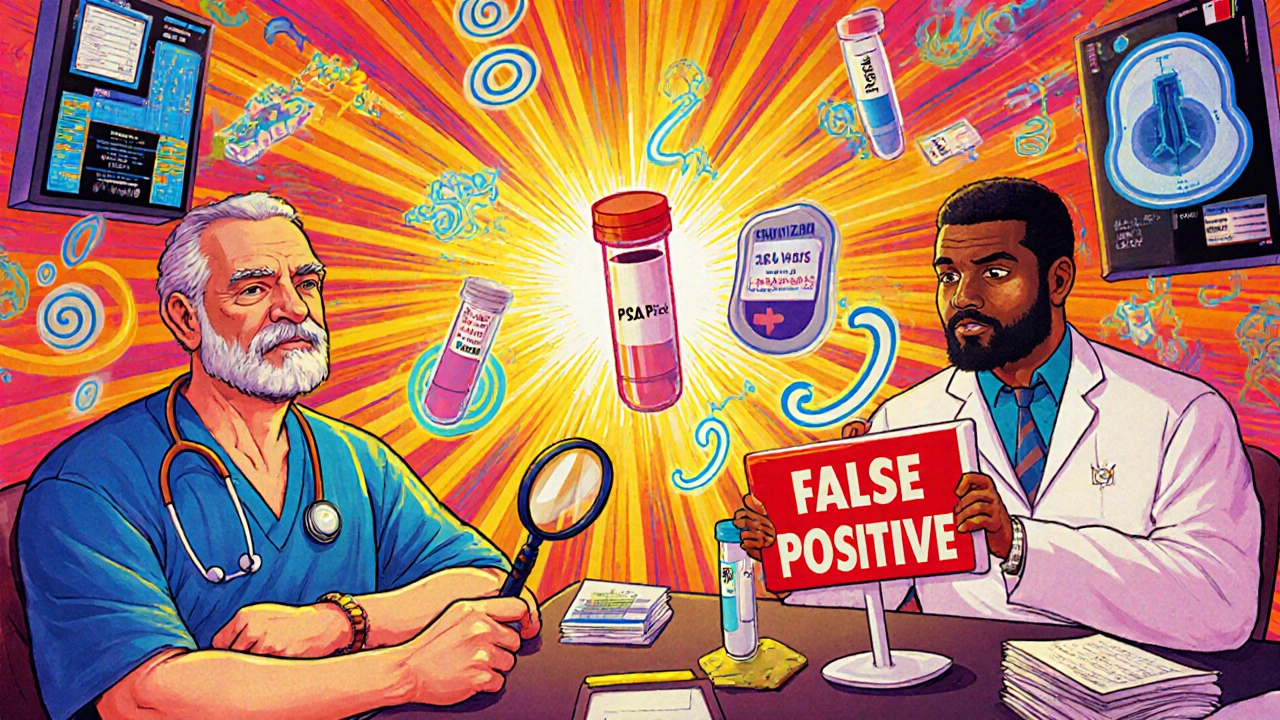
PSA Screening Controversies: Why Shared Decision-Making Matters for Prostate Cancer
PSA screening for prostate cancer saves some lives but causes widespread overdiagnosis and unnecessary treatment. Shared decision-making ensures men understand the risks and benefits before testing.
 28 November 2025
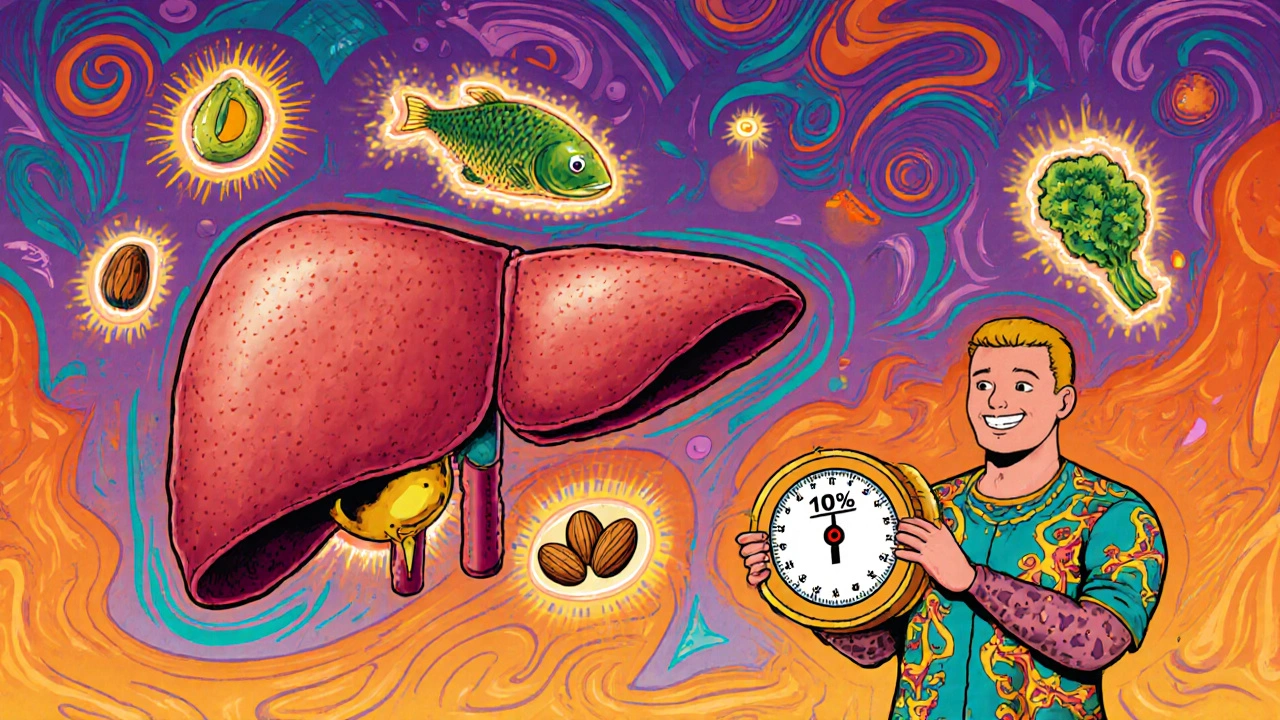
Weight Loss for NAFLD: Diet, Exercise, and Medication Options
Weight loss is the most effective treatment for MASH (fatty liver disease). Learn how diet, exercise, and the new FDA-approved drug semaglutide can reverse liver damage and improve metabolic health.
 27 November 2025
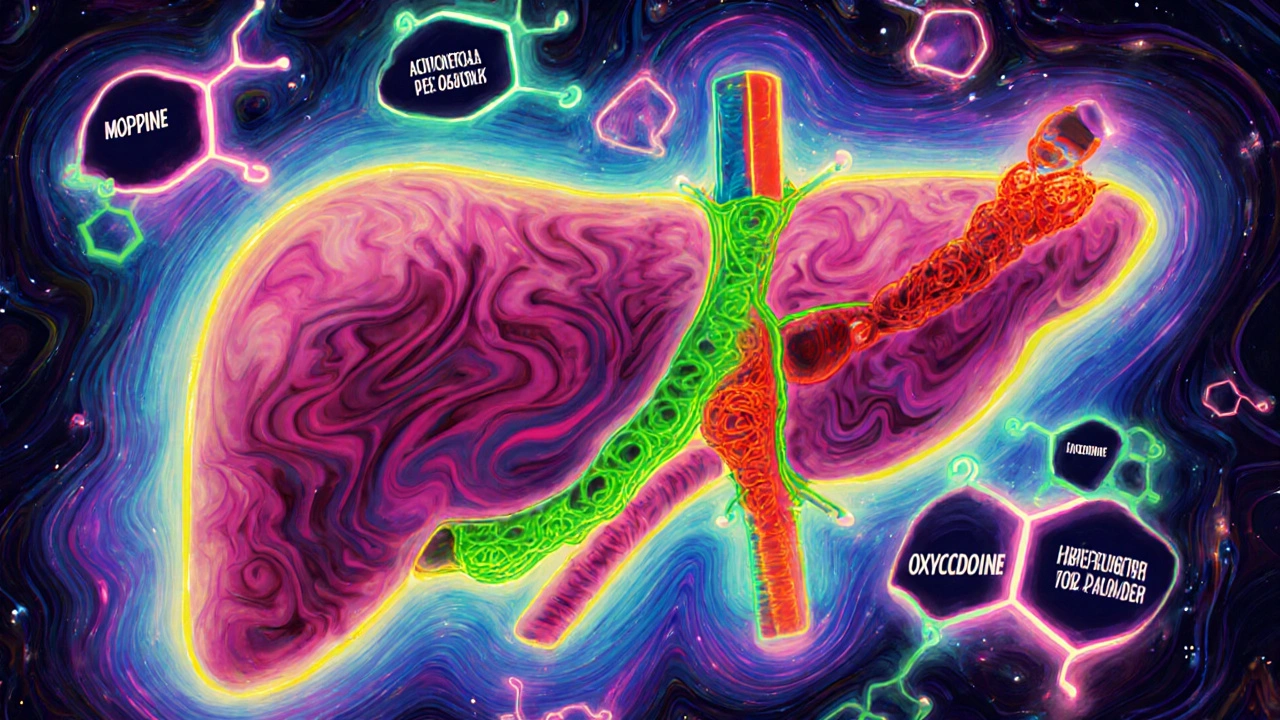
Opioids and Liver Disease: How Impaired Liver Function Changes Pain Medication Risks
Opioids can become dangerously toxic in liver disease due to impaired metabolism. Learn how liver damage alters drug processing, which opioids are riskiest, and how to adjust doses safely to avoid overdose and worsening liver damage.
 26 November 2025
Calcium, Iron, and Mineral Interactions with Medications: What You Need to Know
Calcium and iron supplements can block antibiotics, thyroid meds, and heartburn drugs from working. Learn how to time them right to avoid dangerous interactions and keep your treatments effective.
 25 November 2025
How to Find Safe Licensed Online Pharmacies
Learn how to spot safe, licensed online pharmacies and avoid dangerous fake sites selling counterfeit drugs. Use verified tools like VIPPS and PharmacyChecker to protect your health.
 24 November 2025
Medication Storage and Authenticity: How to Protect Your Home Supply from Counterfeits and Accidental Poisoning
Learn how to safely store medications at home to prevent accidental poisoning, teen misuse, and counterfeit drugs. Discover the best storage methods, environmental tips, and disposal practices backed by the FDA, CDC, and AAP.
 23 November 2025
How to Read FDA Safety Communications for Your Medications
Learn how to read FDA safety communications about your medications-spot urgent warnings, understand labeling changes, and know exactly what to do when a drug alert is issued. Stay informed without being overwhelmed.
 22 November 2025
Eustachian Tube Dysfunction: Ear Pressure and Relief Options
Eustachian tube dysfunction causes ear pressure, muffled hearing, and popping sensations. Learn how to relieve it with simple home tricks, when to see a doctor, and what treatments actually work - from nasal sprays to balloon dilation.
 21 November 2025
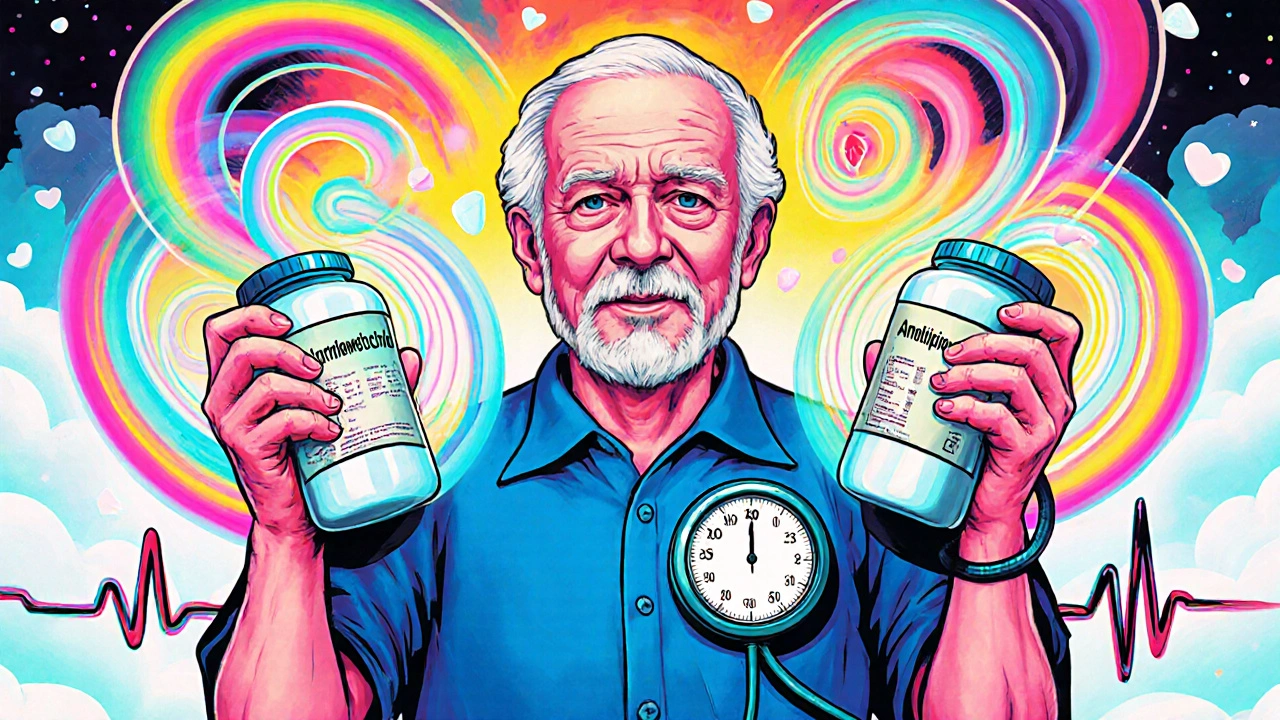
Clarithromycin and Calcium Channel Blockers: The Hidden Hypotension Risk
Clarithromycin can dangerously raise levels of calcium channel blockers like amlodipine and nifedipine, causing severe hypotension. Azithromycin is the safe alternative. Learn who's at risk and what to do.
 19 November 2025
MedWatch: How to Report Medication Side Effects and Safety Issues
Learn how to report medication side effects and safety issues through MedWatch, the FDA’s official system for tracking adverse events. Find out who can report, what to include, and why your report matters.