

Antidepressant Tapering Calculator
Your Tapering Plan
How This Works
Tapering is the process of gradually reducing your antidepressant dosage to avoid withdrawal symptoms. Based on your medication type, current dose, and chosen tapering speed, this tool generates a personalized schedule following evidence-based guidelines.
For short half-life drugs like paroxetine, a slow taper is recommended. For long half-life drugs like fluoxetine, a slightly faster taper is usually possible.
Always follow your healthcare provider's guidance and monitor your symptoms closely.
Stopping antidepressants isn’t as simple as taking your last pill and calling it done. For many people, the body doesn’t adjust overnight. If you cut too fast, you might feel dizzy, nauseous, or get what some call brain zaps-sudden electric shock sensations in the head. These aren’t signs your depression is coming back. They’re antidepressant withdrawal symptoms, and they’re avoidable with the right plan.
Why Tapering Matters More Than You Think
About 27% to 86% of people who stop antidepressants suddenly experience withdrawal symptoms. That’s not a small number. It depends on the drug, how long you’ve been on it, and how quickly you stop. Short-acting drugs like paroxetine or venlafaxine are especially tricky. Their effects fade fast, so your brain doesn’t have time to adapt. Fluoxetine, on the other hand, sticks around longer thanks to its active metabolite, making it easier to stop without major issues. The goal of tapering isn’t just to avoid discomfort. It’s to lower your chance of relapse. Studies show people who quit cold turkey have a 32% risk of depression returning within six months. Those who taper slowly over two weeks or more cut that risk to about 19%. That’s a 40% drop in relapse chances-just from slowing down.How Fast Should You Taper? It Depends on the Drug
There’s no one-size-fits-all schedule. The half-life of your medication tells you how long it stays active in your body. That’s the key to figuring out your pace.- Short half-life drugs (paroxetine, sertraline, venlafaxine): These need slower tapers. Reduce by 10-25% of your daily dose every 1-2 weeks. For example, if you’re on 50mg of sertraline, drop to 40mg for two weeks, then 30mg. Don’t rush. Some people need even smaller drops-like 5mg at a time-especially near the end.
- Long half-life drugs (fluoxetine): You can move faster. Since fluoxetine lingers for days, you might drop 25% every 2-4 weeks. Some people even switch directly to a placebo after a few weeks without major issues.
- MAO inhibitors (phenelzine, tranylcypromine): These require special care. You must wait 14-21 days after your last dose before starting any other antidepressant. Jumping too soon can trigger serotonin syndrome, a dangerous condition with high fever, confusion, and rapid heart rate.
The Last 10% Is the Hardest
Here’s something most guidelines don’t say clearly: the final stretch is where most symptoms happen. Dr. David Healy, a leading psychiatrist, points out that the last 10% of your dose causes about half of all withdrawal symptoms. Why? Because serotonin receptors become hypersensitive as the drug leaves your system. A drop of 2.5mg from a 20mg dose of sertraline can trigger dizziness or brain zaps-even though it’s a tiny change. That’s why ultra-slow tapering is gaining traction. The TRED guideline (2022) recommends reducing by only 5-10% every 1-2 weeks during the final quarter of your taper. For someone on 40mg of citalopram, that means going from 10mg to 9mg, then 8.5mg, then 8mg-each step lasting two weeks or longer. Some patients use liquid formulations to make these tiny cuts possible. King’s College London found that using liquids cut severe symptoms by 62% compared to standard tablets.Switching Antidepressants? Here’s How to Do It Safely
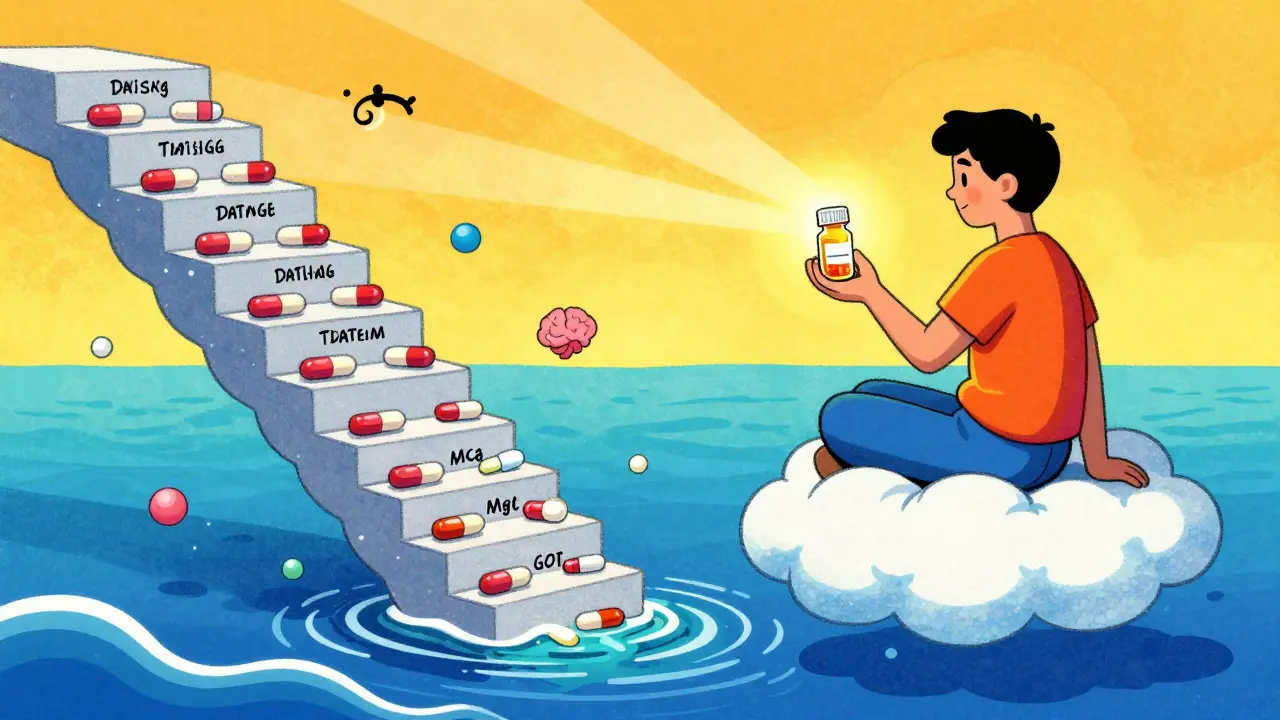
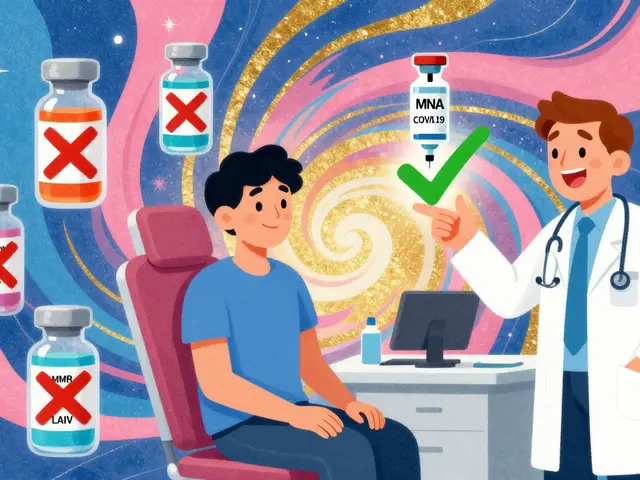
Sometimes you don’t just want to stop-you want to switch to a different antidepressant. That’s called cross-tapering. It’s doable, but it’s not a free-for-all.- Taper and switch immediately: Most common for SSRIs. Reduce the old drug by 25% every 1-2 weeks while slowly increasing the new one. For example, drop venlafaxine by 37.5mg every 3-7 days while adding 25mg of sertraline at the same pace.
- Taper and wait: Required for MAOIs. Finish the old drug, wait 14-21 days, then start the new one.
- Direct switch: Only works with fluoxetine. Because it stays in your system so long, you can stop it and start a new drug right away without a gap.
What Symptoms Should You Watch For?
Withdrawal symptoms usually start within a few days of reducing your dose. They’re not the same as depression returning. Here’s what to look for:- Dizziness or lightheadedness (63% of cases)
- Electric shock sensations in the head or limbs (“brain zaps”)
- Nausea, vomiting, or diarrhea (45%)
- Sensory changes: tingling, buzzing, or sensitivity to light/sound (37%)
- Insomnia, vivid dreams, or nightmares
- Anxiety or irritability
What Most Guidelines Get Wrong
A 2022 analysis of 21 clinical guidelines found that 87% just said “taper gradually.” That’s not helpful. What does gradual mean? Two weeks? Four? A month? For someone on paroxetine, that’s the difference between manageable discomfort and a week of feeling like they’re coming down with the flu. Experts like Dr. James Davies say current guidelines are dangerously vague. They don’t account for how non-linear the process is. Cutting from 40mg to 30mg might be fine. Cutting from 10mg to 5mg? That’s when symptoms explode. The Maudsley Prescribing Guidelines (2022) are one of the few that give exact milligram reductions for 17 different antidepressants. That’s the gold standard. If your doctor doesn’t have a specific plan, ask for it. Bring this info with you.Long-Term Users Need Extra Care
If you’ve been on antidepressants for five years or more, your brain has adapted deeply. Withdrawal can last longer-sometimes months. Studies show these patients have more intense symptoms and higher relapse risk. There’s no rush. A 12-week taper might be too fast. Some people need 6-12 months to taper safely. Don’t let anyone tell you you’re “dependent” or “addicted.” This isn’t addiction. It’s neuroadaptation. Your brain learned to function with the drug. Removing it too fast throws your system out of balance.
What You Can Do Right Now
If you’re thinking about stopping:- Don’t quit on your own. Talk to your prescriber.
- Ask for a written tapering plan with specific dose reductions and timelines.
- If your medication doesn’t come in small enough doses, ask about liquid formulations or compounding pharmacies.
- Track your symptoms daily. Use a simple journal: rate your mood, sleep, dizziness, and brain zaps on a scale of 1-5.
- Be patient. Slower is safer. If you feel worse, pause the taper. You’re not failing-you’re listening to your body.
What’s Coming Next
New research is pushing toward personalized tapering. A 2023 study in the Pharmacogenomics Journal found that your genes (specifically CYP2D6 and CYP2C19) predict 38% of your withdrawal risk. If you metabolize drugs slowly, you’ll likely need a longer taper. Genetic testing isn’t routine yet-but it’s coming. The American Psychiatric Association is updating its guidelines in early 2024. Expect more detail on micro-tapering, liquid formulations, and long-term user protocols.Frequently Asked Questions
Can I stop antidepressants cold turkey?
It’s not recommended. Stopping abruptly increases your risk of severe withdrawal symptoms like dizziness, nausea, brain zaps, and anxiety. For short-half-life drugs like paroxetine or venlafaxine, it can trigger symptoms in over 40% of people. Even for fluoxetine, which is easier to stop, sudden discontinuation raises your chance of depression returning by 40% compared to tapering slowly.
How long does antidepressant withdrawal last?
For most people, symptoms last 1-4 weeks. But if you’ve been on antidepressants for years, they can linger for months. The key is not how long they last, but how severe they are. If symptoms are mild and improving, they’re likely withdrawal. If they’re getting worse or include new symptoms like suicidal thoughts, contact your doctor immediately-it could be relapse.
Do all antidepressants cause withdrawal?
Most do, but some are much worse than others. Paroxetine and venlafaxine are known for causing strong withdrawal symptoms. Fluoxetine causes fewer because it stays in your system longer. SNRIs like duloxetine and MAOIs also carry higher risks. SSRIs like escitalopram and sertraline fall in the middle. Always check your specific drug’s profile before stopping.
Can I use supplements to help with withdrawal?
No supplement has been proven to prevent or treat antidepressant withdrawal. Omega-3s, magnesium, or 5-HTP might sound helpful, but they don’t replace a proper taper. In fact, some can interact with your medication or worsen symptoms. Stick to evidence-based methods: slow tapering, liquid doses, and medical supervision.
What if my doctor says I can stop in a week?
Ask for evidence. Most guidelines, including those from Harvard, the Royal Australian College, and the UK’s NICE, recommend at least 2-6 weeks for most SSRIs. If your doctor pushes for a fast stop, request a referral to a psychiatrist or pharmacist who specializes in psychotropic medication management. Your brain deserves more than a rushed plan.
Is it normal to feel worse before feeling better?
Yes, but only temporarily. Withdrawal symptoms often peak around days 3-7 after a dose reduction, then slowly improve. If you feel worse for more than two weeks after a change, or if symptoms become unbearable, go back to your last dose and hold for another week. This isn’t failure-it’s smart adjustment. The goal isn’t speed. It’s safety.
Next Steps
If you’re ready to taper:- Request your medication’s exact milligram strength and available forms (tablets, capsules, liquid).
- Ask if compounding pharmacies can make custom doses for micro-tapering.
- Set up weekly check-ins with your prescriber during the taper.
- Keep a symptom log to track progress and flag issues early.
- Don’t isolate yourself. Tell a trusted friend or family member what you’re doing-they can help you spot changes you might miss.





December 27, 2025 AT 10:25
Jay Ara
been on sertraline for 6 years and this post saved my life. i went from 100mg to 95mg over 3 weeks and my brain zaps went from daily to once a week. dont rush. your brain remembers what it learned.
December 27, 2025 AT 23:39
Michael Bond
slow tapering works. period.
December 29, 2025 AT 15:35
Kuldipsinh Rathod
my doc said just cut in half and done. i felt like i got hit by a truck for 3 weeks. never again. liquid drops are a game changer. ask for em.
December 30, 2025 AT 20:15
SHAKTI BHARDWAJ
this is just fearmongering. antidepressants are just crutches. people need to grow up and stop being weak. i stopped cold turkey and felt better in 2 days. everyone else is just addicted to feeling sorry for themselves
January 1, 2026 AT 18:49
Matthew Ingersoll
in india we call this 'neuro-adaptation' not addiction. it's not about willpower. it's about biology. the body doesn't reset like a light switch. this is why so many people relapse after being told to just stop. we need better education, not judgment.
January 2, 2026 AT 14:45
carissa projo
there's a quiet revolution happening in psychopharmacology. we're moving from 'take it or leave it' to 'listen to your nervous system.' the last 10% isn't just the hardest-it's the most sacred. it's where your brain relearns how to be itself without chemical crutches. honoring that slowness isn't weakness. it's radical self-respect.
January 2, 2026 AT 16:09
josue robert figueroa salazar
brain zaps are just anxiety in disguise. if you're feeling them you're probably overthinking it. just take the pill and stop being dramatic
January 4, 2026 AT 03:50
david jackson
i tried tapering with fluoxetine because everyone said it was easy. turned out my liver metabolizes it slow as molasses. i was on 20mg for 18 months and went down 1mg every 10 days. i used a syringe to measure liquid. lost 15 pounds from nausea. slept 16 hours a day for two months. but i didn't relapse. and i didn't have brain zaps after week 8. if you're doing this-don't just read articles. track your sleep, your dreams, your dizziness. your body is talking. you just have to learn how to listen.
January 5, 2026 AT 21:23
Jody Kennedy
you got this. every tiny drop is a win. your brain is rebuilding. even if it feels like crawling through molasses, you're moving forward. write it down. celebrate the days you feel steady. you're not broken-you're becoming.