Psychotic Symptoms from Meds: What You Need to Know
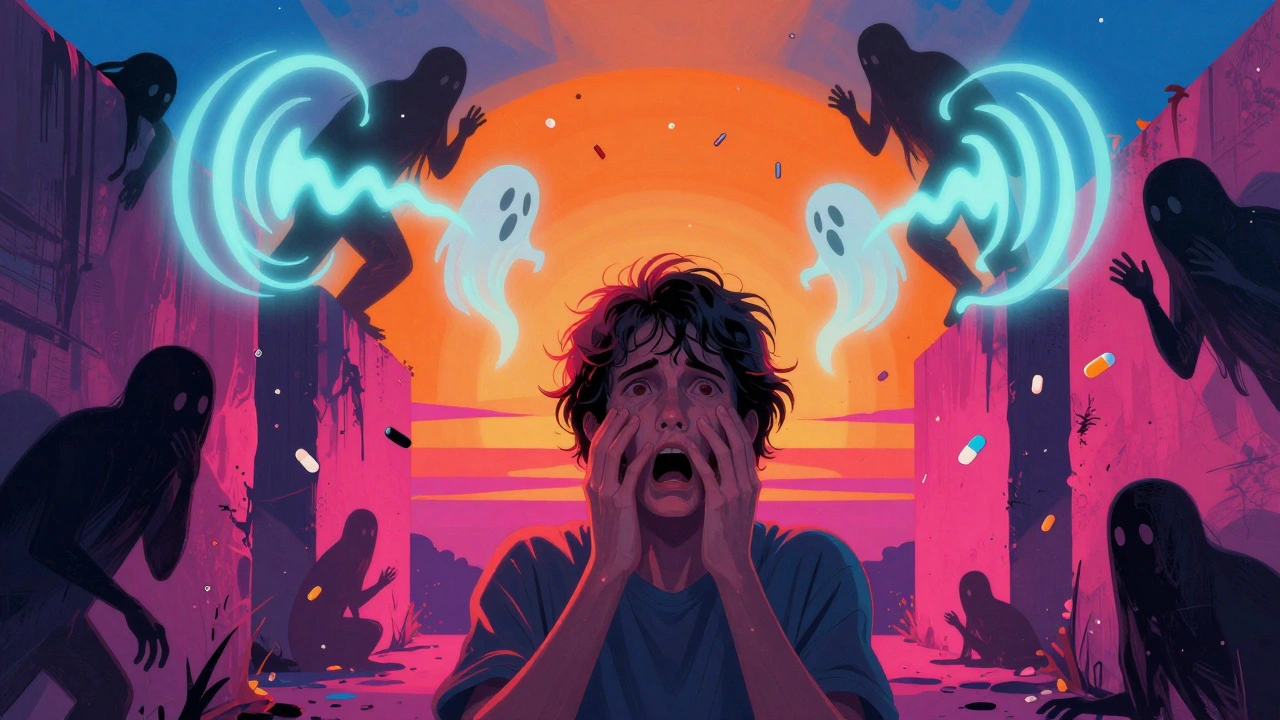
When a medication causes psychotic symptoms, a sudden break from reality that includes hallucinations, delusions, or disorganized thinking. Also known as drug-induced psychosis, it’s not rare — and it’s often mistaken for a mental illness when it’s actually a reaction to a drug. This isn’t just about illegal substances. Prescription drugs like steroids, certain antibiotics, Parkinson’s meds, and even some antidepressants can trigger these symptoms in vulnerable people.
One of the most common culprits is corticosteroids, powerful anti-inflammatory drugs like prednisone and dexamethasone. Steroids can cause mood swings, paranoia, and even full-blown psychosis at high doses or with long-term use. Another hidden risk is dopamine agonists, drugs used for Parkinson’s and restless legs that overstimulate brain reward pathways. Dopamine drugs can push the brain into overdrive, leading to hallucinations or false beliefs. Even antibiotics like clarithromycin, which you might take for a sinus infection, can interfere with other meds and indirectly trigger psychosis through chemical imbalances.
It’s not just about the drug — it’s about who’s taking it. People with a family history of schizophrenia, those under 25, or anyone already on multiple psychiatric meds are at higher risk. The symptoms often show up within days or weeks of starting a new drug or changing the dose. Many patients and even doctors miss the connection because psychosis is usually assumed to be mental illness, not a side effect. If you or someone you know starts hearing voices, believing things that aren’t true, or acting strangely after starting a new medication, don’t wait. Talk to your doctor right away. Stopping the drug often reverses the symptoms quickly.
What you’ll find below are real-world reports and practical guides on how medications interact with the brain, what side effects get overlooked, and how to spot danger before it escalates. From clinical trial data that hides the full picture to how to report dangerous reactions to the FDA, these posts give you the tools to ask the right questions and protect yourself.
 6 December 2025
Medication-Induced Psychosis: Recognizing Symptoms and What to Do in an Emergency
Medication-induced psychosis can strike anyone taking common drugs like steroids or antimalarials. Learn the warning signs, which medications cause it, and what to do in an emergency to prevent long-term damage.