Prostate Cancer Screening: What You Need to Know About Tests, Risks, and Decisions
When it comes to prostate cancer screening, a process used to detect prostate cancer before symptoms appear. Also known as prostate cancer detection, it’s not a simple yes-or-no choice—it’s a personal decision shaped by age, risk, and what you’re willing to live with. Every year, millions of men get screened, but not everyone understands what’s being tested, why, or what happens next.
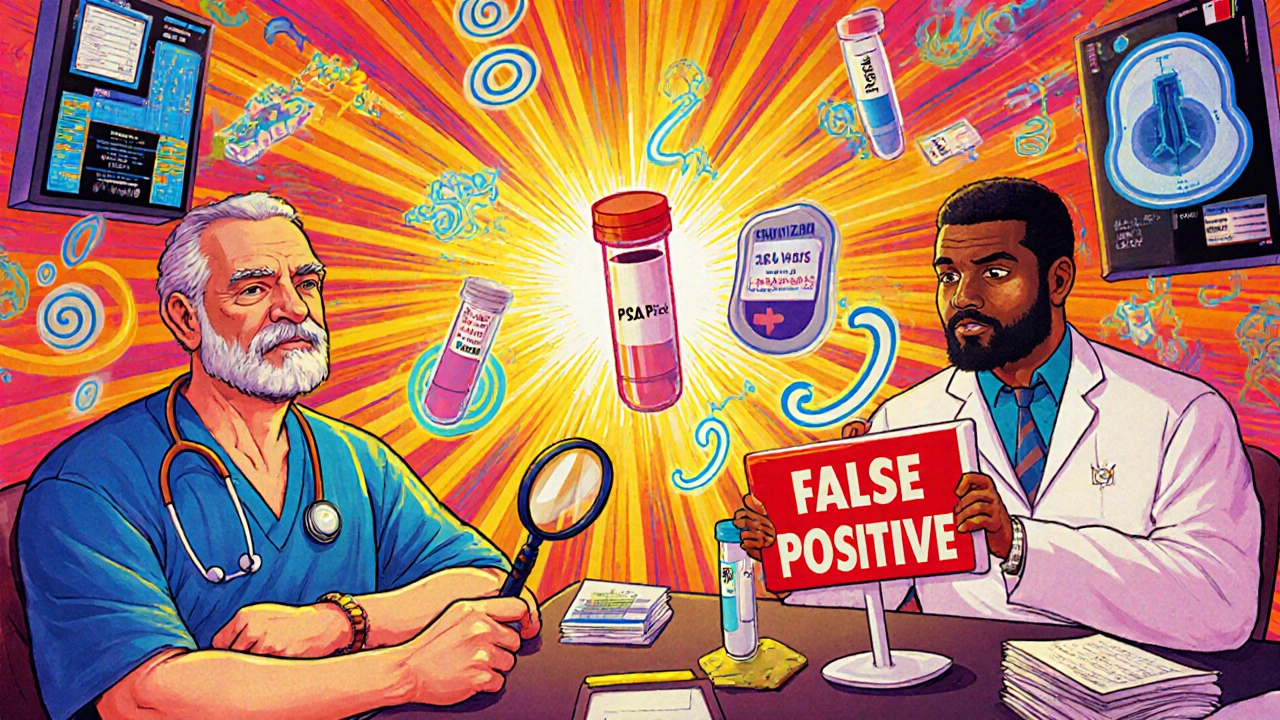
The two main tools are the PSA test, a blood test that measures prostate-specific antigen levels and the digital rectal exam, where a doctor checks the prostate’s size and texture by hand. A high PSA doesn’t mean you have cancer—it can be raised by infection, enlargement, or even riding a bike. A normal PSA doesn’t guarantee you’re safe either. That’s why these tests are never used alone. They’re starting points, not answers.
Men over 50 are often offered screening, but if you’re Black, have a family history, or carry certain genes, your risk goes up—and so does the case for early checks. Still, screening isn’t risk-free. Finding a slow-growing tumor might lead to surgery or radiation that causes incontinence or erectile dysfunction—problems you might never have had if you’d left it alone. That’s why guidelines now say: talk to your doctor. Don’t just show up for the test. Ask: What happens if it’s high? What if it’s normal? What are my odds of dying from this versus living with treatment side effects?
Some men avoid screening because they fear bad news. Others get screened every year out of habit. The truth? There’s no perfect path. The goal isn’t to eliminate cancer at all costs—it’s to make sure you’re not dying from something you could have caught in time, without ruining your quality of life in the process. The posts below cover real stories and facts: how PSA levels change with age, what false positives really mean, why some doctors skip the rectal exam, and how new tests like MRI and genetic markers are changing the game. You’ll find clear advice on when to start, when to stop, and how to weigh the trade-offs without being pushed into a decision you don’t understand.
 29 November 2025
PSA Screening Controversies: Why Shared Decision-Making Matters for Prostate Cancer
PSA screening for prostate cancer saves some lives but causes widespread overdiagnosis and unnecessary treatment. Shared decision-making ensures men understand the risks and benefits before testing.