Poison Control: What to Do When Medications or Substances Turn Dangerous
When someone accidentally takes too much medicine, swallows a cleaner, or chokes on a pill meant for someone else, poison control, a system designed to respond to toxic exposures with expert guidance. Also known as toxicology hotline, it's not just for kids—it’s for anyone who’s ever mixed pills, misunderstood a label, or panicked over a spilled bottle. Every year, over 2 million calls go to U.S. poison centers, and most of them happen at home. You don’t need to wait for symptoms. If you’re worried, call. That’s the rule.
Drug overdose, the unintentional or intentional intake of a substance beyond its safe limit. Also known as medication toxicity, it’s the leading cause of injury-related death in the U.S. and often starts with something you already have on your shelf—painkillers, sleep aids, or even a child’s cough syrup. The same goes for toxic exposure, contact with harmful chemicals through skin, inhalation, or ingestion. This includes cleaning products, pesticides, carbon monoxide, and even some plants. These aren’t rare events—they’re everyday risks hiding in plain sight.
What you do in the first 10 minutes can change everything. Don’t wait for vomiting. Don’t give milk or syrup of ipecac unless told to. Don’t Google it. Call poison control. They know exactly what’s in that bottle, how much is dangerous, and what to do next. They’ll tell you whether to wait, rush to the ER, or monitor at home. And if you’re not sure whether it’s an emergency? Better to call and get a no.
The posts here aren’t just about what happens after a mistake. They’re about how to stop it before it starts. You’ll find real advice on spotting counterfeit pills, storing meds safely away from kids, understanding how liver disease changes drug risks, and why some supplements can act like silent poisons when mixed with prescriptions. You’ll learn how to read FDA alerts before a drug turns dangerous, how to dispose of old meds without risking someone else’s life, and how to tell if a medicine’s seal has been tampered with. These aren’t hypotheticals. These are the things that keep families safe.
There’s no shame in needing help. One wrong pill, one misread label, one curious toddler—and you’re in a crisis. But you don’t have to face it alone. The tools, knowledge, and systems to prevent and respond to poisoning are already here. You just need to know where to look—and when to act.
 8 December 2025
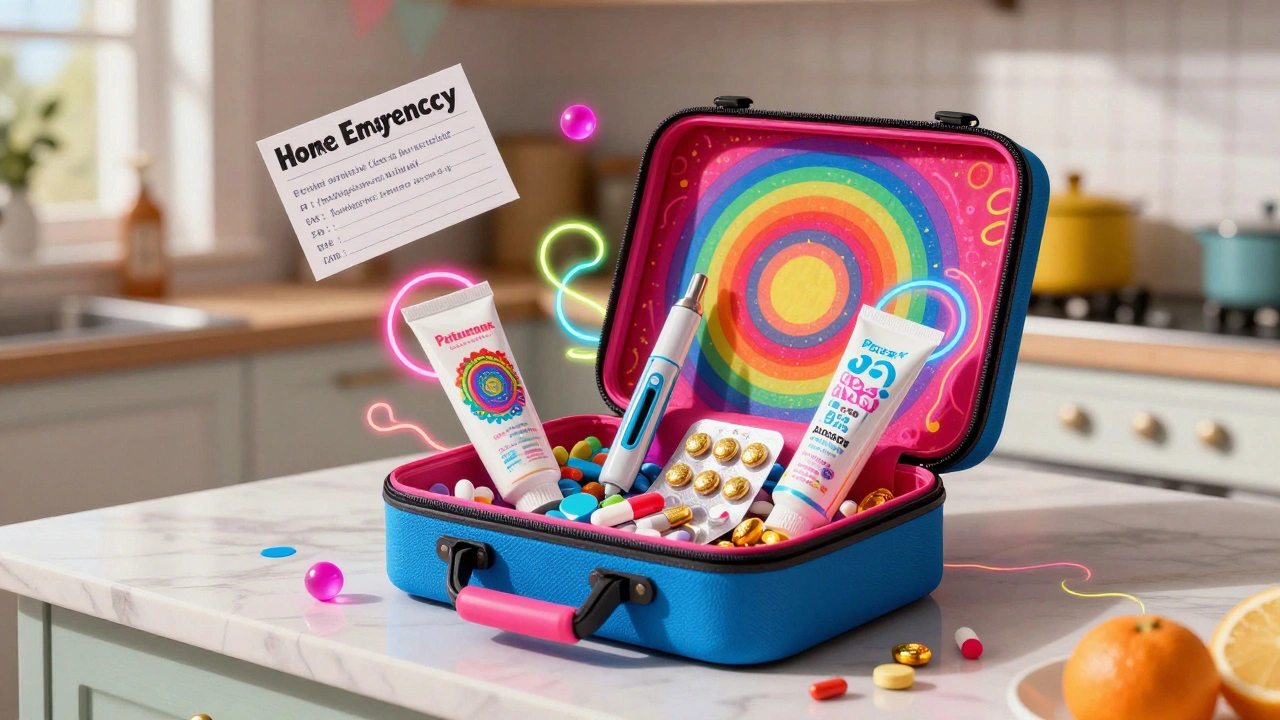
Home Emergency Kit for Medication Side Effects: What to Include
A home emergency kit for medication side effects can prevent minor reactions from turning into crises. Learn what to include - from antihistamines to emergency contacts - and how to use it safely.