Medication-Induced Psychosis: Causes, Risks, and What to Do
When a drug meant to treat one health problem triggers a completely different one, it’s not just a side effect—it’s a red flag. Medication-induced psychosis, a psychiatric condition caused by certain drugs that leads to hallucinations, delusions, or disorganized thinking. Also known as drug-induced psychotic disorder, it can happen with steroids, antibiotics, sleep aids, or even medications for Parkinson’s and epilepsy. This isn’t rare. Studies show up to 1 in 50 people on long-term corticosteroids like prednisone report psychotic symptoms. And it’s not always obvious—people often think they’re just "stressed" or "tired," not realizing their medication is the trigger.
What makes this even trickier is that antipsychotic drugs, medications designed to treat psychosis, can sometimes cause it as a side effect. Yes, the very pills meant to calm the mind can, in rare cases, push it over the edge. This is especially true when doses are too high, changed too fast, or mixed with other drugs. For example, combining clarithromycin with certain heart medications can spike blood levels enough to trigger hallucinations. Or taking dexamethasone for inflammation might lead to paranoia in someone already sensitive to hormonal shifts. The risk isn’t just about the drug—it’s about your body’s unique reaction to it.
People with a history of mental health issues, older adults, or those on multiple medications are at higher risk. But it can happen to anyone—even someone who’s never had a psychiatric problem before. The symptoms usually show up within days or weeks of starting or changing a drug. You might notice someone talking to people who aren’t there, believing things that aren’t true, or acting completely out of character. These aren’t just "bad days." They’re warning signs that need medical attention.
Thankfully, stopping the drug often reverses the psychosis. But not always—and not quickly. That’s why recognizing it early matters. If you’re on any new medication and start feeling "off" in your head, don’t wait. Talk to your doctor. Bring up the possibility of medication-induced psychosis. Ask if any of your drugs are known to affect the brain. Check the FDA safety alerts for your pills. And if you’re helping someone else, pay attention to changes in behavior, speech, or sleep patterns. It’s not paranoia to suspect the medicine—it’s smart.
Below, you’ll find real-world guides on how to spot dangerous drug interactions, understand side effect reports, and protect yourself from medications that might be doing more harm than good. These aren’t theory pieces—they’re tools used by people who’ve been through this and survived it. You’re not alone. And you don’t have to guess what’s happening. The answers are here.
 6 December 2025
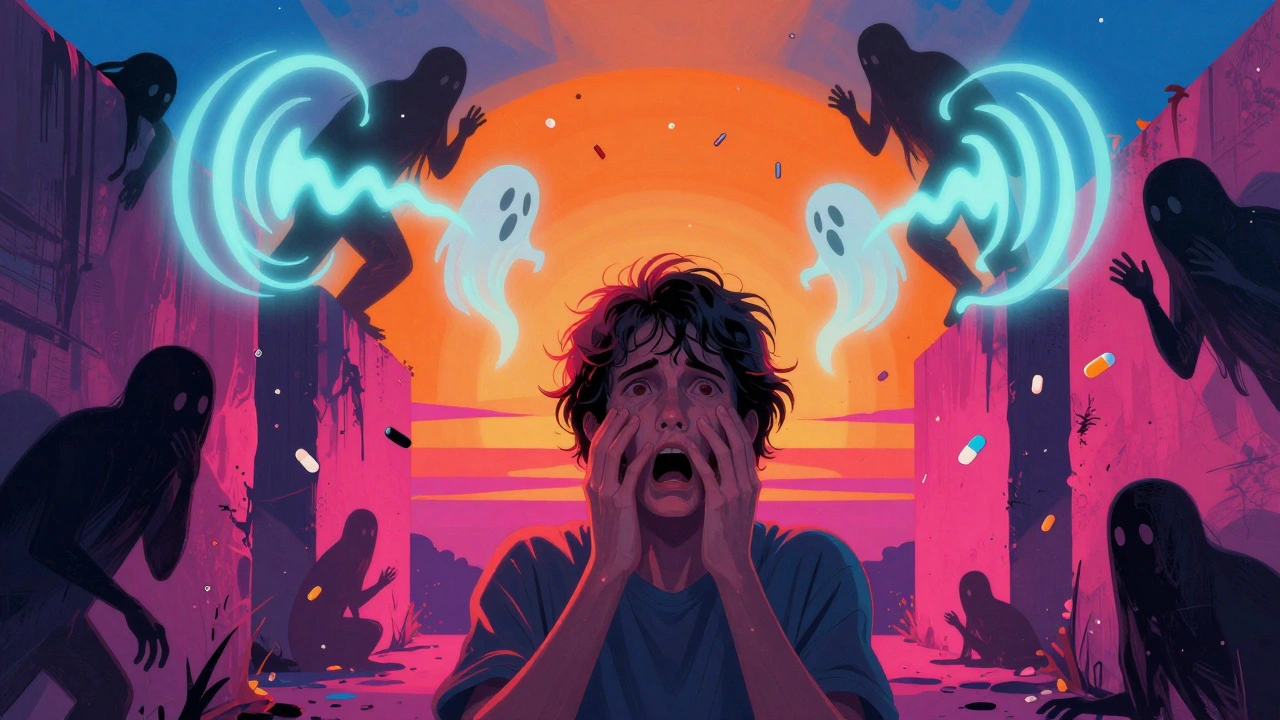
Medication-Induced Psychosis: Recognizing Symptoms and What to Do in an Emergency
Medication-induced psychosis can strike anyone taking common drugs like steroids or antimalarials. Learn the warning signs, which medications cause it, and what to do in an emergency to prevent long-term damage.