Emergency Kit: What to Keep for Medication Emergencies and When to Act Fast
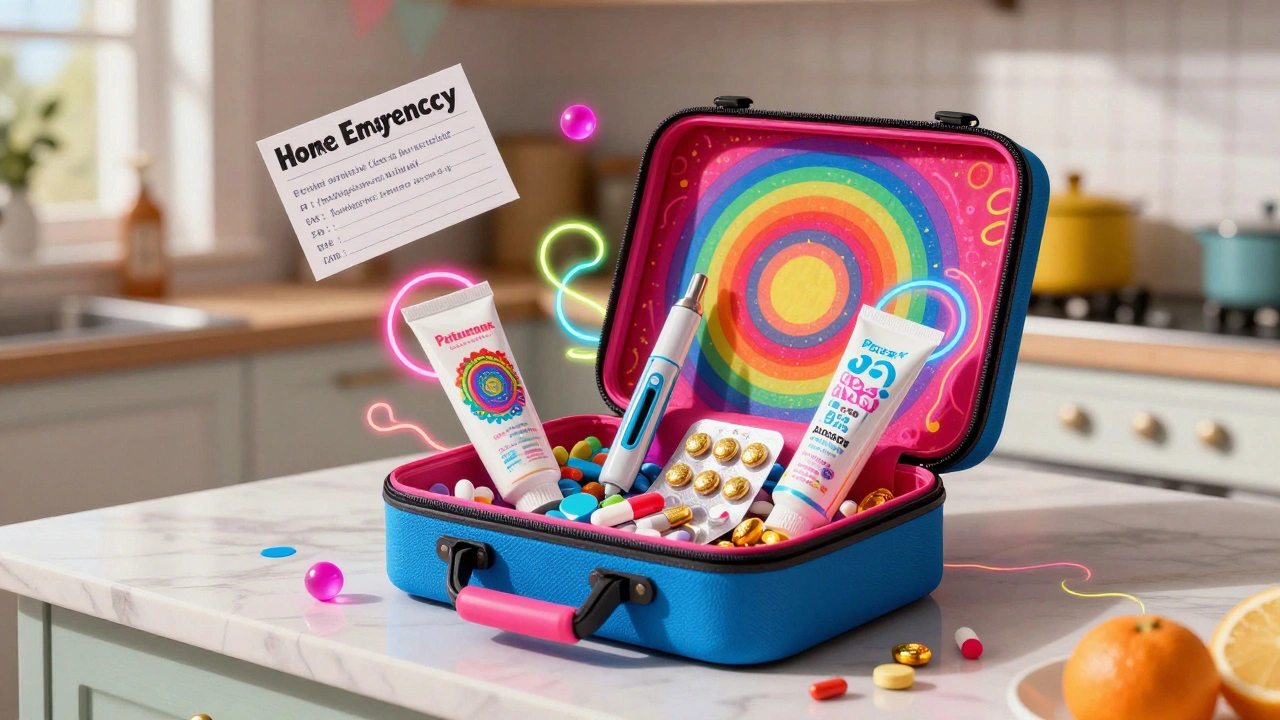
When something goes wrong with your meds, seconds matter. An emergency kit, a curated collection of supplies and information for sudden health crises. Also known as a medication emergency bag, it’s not about being paranoid—it’s about being ready. Most people think of bandages and painkillers, but a real emergency kit for medication risks includes far more: a printed list of every drug you take, contact info for your pharmacy and doctor, and clear instructions for what to do if you or someone else has a bad reaction.
Think about medication-induced psychosis, a sudden mental health crisis triggered by common drugs like steroids or antimalarials. It doesn’t come with warning signs everyone recognizes. Or drug interactions, when two or more medications clash in dangerous ways—like clarithromycin raising blood pressure meds to toxic levels. These aren’t rare. They happen in kitchens, cars, and dorm rooms. Your emergency kit should include a printed copy of your full medication list, a note about any allergies, and the phone number for Poison Control. It should also have a small bottle of activated charcoal if your doctor says it’s safe for your situation. No guesswork. No scrolling through your phone at 2 a.m.
And what about overdose response, the immediate actions needed when someone takes too much of a drug, especially opioids or sedatives? Naloxone isn’t just for heroin users—it can save someone who accidentally took too much of a painkiller or mixed it with alcohol. Keep it in your kit if you or someone you live with uses opioids, benzodiazepines, or even high-dose sleep aids. Know where it is. Know how to use it. Practice with a trainer device. The same goes for knowing when to call 911 instead of waiting it out. If someone’s confused, breathing slow, or unresponsive after taking meds, don’t wait. Your kit should have a printed checklist: symptoms to watch for, who to call, and what to say to the dispatcher.
You don’t need fancy gear. Just clarity. A folder with your meds, doses, and dates. A list of side effects you’ve had before. A note saying "Do not restart metformin after contrast dye" if you’ve been told that before. A printed FDA safety alert for any drug you’re on right now. These aren’t extras—they’re essentials. The posts below show you exactly what to include, how to update it, and how to teach your family what to do when things go sideways. No fluff. No theory. Just what works when time is running out.
 8 December 2025
Home Emergency Kit for Medication Side Effects: What to Include
A home emergency kit for medication side effects can prevent minor reactions from turning into crises. Learn what to include - from antihistamines to emergency contacts - and how to use it safely.