Cholesterol Management: What Works, What Doesn't, and What to Watch For
When it comes to cholesterol management, the process of lowering harmful blood fats to reduce heart disease risk. Also known as lipid control, it's not just about popping a pill—it's about understanding how your body processes fats, which drugs actually help, and what lifestyle changes make a real difference. High LDL cholesterol, the "bad" cholesterol that builds up in artery walls is a silent threat. It doesn't cause symptoms until it's too late. That’s why managing it isn't optional—it's a daily habit, whether you're on medication or not.
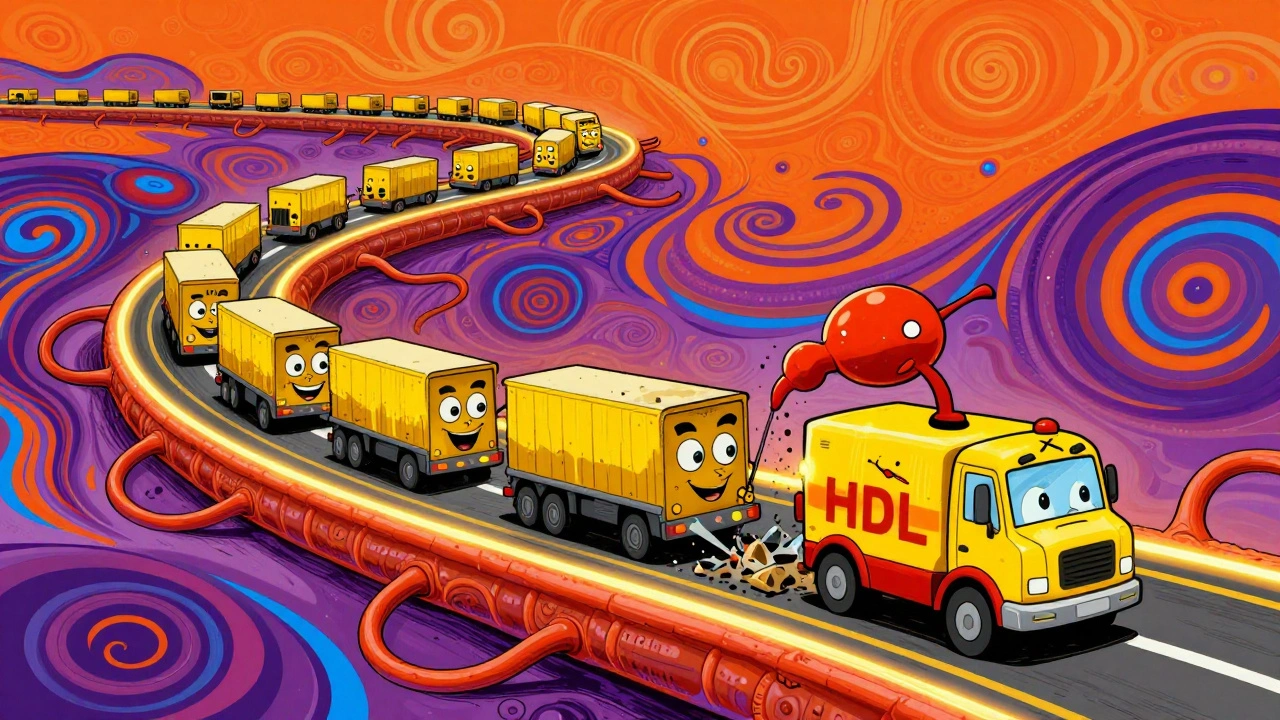
Statins, a class of drugs that block cholesterol production in the liver are the most common tool doctors use. But not all statins work the same way. Some cause muscle pain, others don’t. Genetic tests can now tell you if you’re likely to react badly to simvastatin but tolerate pravastatin just fine. And it’s not just about the drug—it’s about timing, diet, and even exercise. Taking a statin and then eating a fried meal? That defeats the purpose. But losing 10% of your body weight? That can slash LDL as much as some pills. Meanwhile, HDL cholesterol, the "good" cholesterol that helps remove plaque isn’t something you can easily boost with drugs. No pill has reliably raised HDL enough to cut heart attacks. Focus instead on moving more, quitting smoking, and cutting sugar. These move the needle better than any supplement marketed as a "HDL booster."
Then there are the hidden risks. Calcium supplements can interfere with thyroid meds. Grapefruit juice can turn a safe dose of a statin into a dangerous one. And if you’ve got liver disease, some cholesterol drugs become risky or even toxic. You can’t just follow a generic plan. Your cholesterol management needs to fit your body, your meds, and your lifestyle.
What you’ll find below isn’t theory. It’s real-world advice from people who’ve been there—how to spot dangerous drug interactions, why some cholesterol pills cause muscle pain during workouts, how to tell if your meds are working without endless blood tests, and what actually helps reverse fatty liver linked to high fats. No fluff. No hype. Just what works, what doesn’t, and what you need to ask your doctor next time you walk in.
 2 December 2025
High Cholesterol: What You Need to Know About Hypercholesterolemia
High cholesterol, or hypercholesterolemia, is a silent threat affecting nearly 1 in 3 U.S. adults. Learn what causes it, how to test for it, and what actually works to lower it-whether you have a genetic form or lifestyle-driven high cholesterol.