PSA Test: What It Is, Why It Matters, and What Your Results Mean
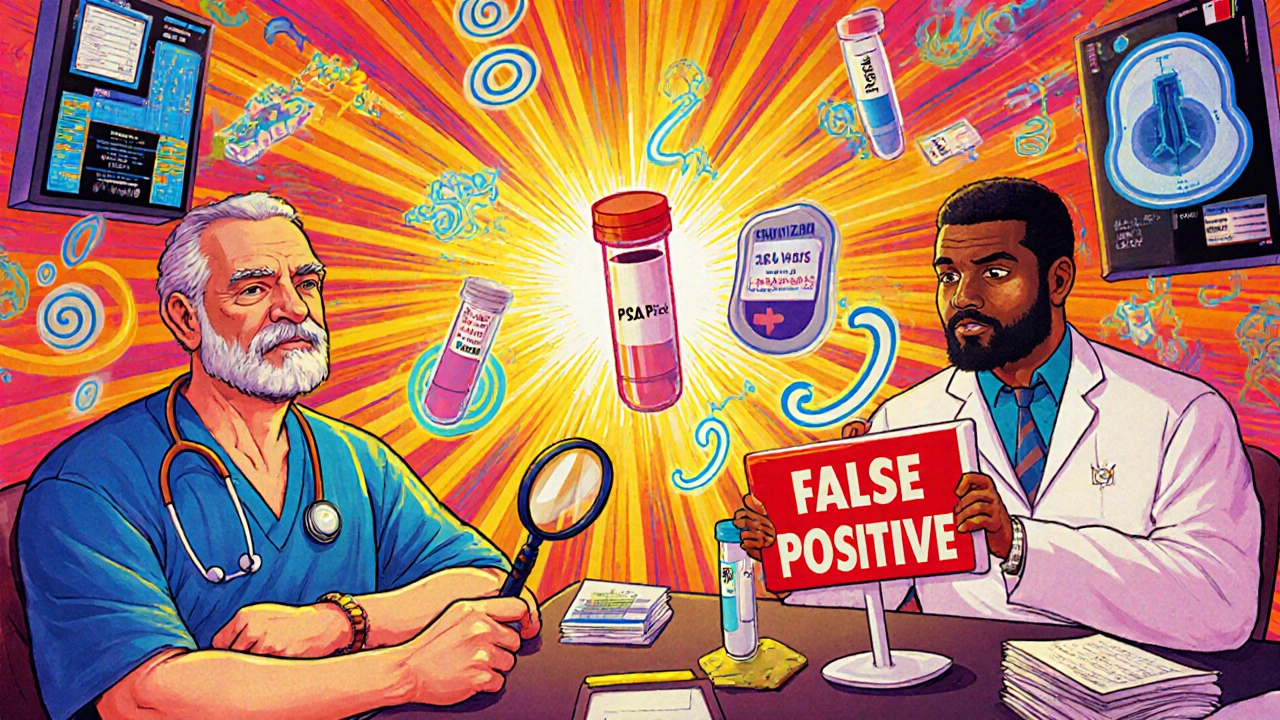
When you hear PSA test, a blood test that measures prostate-specific antigen, a protein made by the prostate gland. Also known as prostate-specific antigen test, it’s one of the most common tools doctors use to check for prostate problems — especially prostate cancer. But a high PSA number doesn’t automatically mean cancer. It can also rise from an enlarged prostate, infection, even riding a bike or having a recent ejaculation. That’s why understanding what the number actually means is more important than the number itself.
The prostate gland, a small organ below the bladder that helps make semen doesn’t just sit there quietly. When something changes — inflammation, growth, or cancer — it releases more PSA into the bloodstream. Doctors use this as a signal, not a diagnosis. For men over 50, or those with a family history of prostate cancer, getting a PSA level, the amount of prostate-specific antigen in the blood, measured in nanograms per milliliter checked yearly is common. But what’s normal? Under 4 ng/mL is often called normal, but that’s not a hard line. Some men with levels under 4 still have cancer. Others with levels at 8 or 10 have perfectly healthy prostates. Age, race, and medications like finasteride can all shift the baseline. That’s why trends over time matter more than one single number.
If your PSA is high, your doctor won’t jump to a biopsy right away. They’ll look at other clues: how fast the number is rising (PSA velocity), your family history, symptoms like trouble urinating, and sometimes a digital rectal exam. A rising PSA over months is more concerning than a one-time spike. That’s where the real value of the test shows up — not in catching cancer overnight, but in spotting changes early enough to act. And if a biopsy is needed, it’s not because of the PSA alone. It’s because the pattern, your age, and your risk factors together suggest something needs a closer look.
There’s no one-size-fits-all answer to when or how often to test. Some guidelines say start at 50, others say 45 if you’re Black or have a close relative who had prostate cancer. And not every man needs it. If you’re healthy and not worried, you might skip it. If you’re anxious or have symptoms, it’s worth discussing. The key is making the choice with real information, not fear or pressure.
Below, you’ll find real, practical posts that break down exactly how PSA tests connect to prostate health, what causes false highs, how to interpret results without panic, and what steps come next — from monitoring to treatment. No fluff. Just what you need to know to make smarter choices about your body.
 29 November 2025
PSA Screening Controversies: Why Shared Decision-Making Matters for Prostate Cancer
PSA screening for prostate cancer saves some lives but causes widespread overdiagnosis and unnecessary treatment. Shared decision-making ensures men understand the risks and benefits before testing.