Medicine Seal Verification: How to Spot Fake Drugs and Stay Safe
When you buy medicine, the medicine seal verification, a physical or digital mark on drug packaging that confirms it hasn't been tampered with or replaced. Also known as tamper-evident packaging, it's your first line of defense against counterfeit drugs that can be empty, poisoned, or filled with the wrong chemical. Fake pills don’t just waste your money—they can kill you. The FDA has found counterfeit versions of popular drugs like Viagra, Xanax, and even insulin sold online and in some pharmacies. These fake products often lack active ingredients, contain toxic substances like fentanyl or rat poison, or have inconsistent dosing that can cause overdose or treatment failure.
Medicine seal verification isn’t just about a broken sticker—it’s part of a larger system that includes licensed online pharmacies, pharmacies certified by programs like VIPPS that follow strict safety and licensing rules, and medication storage, how you keep pills at home to prevent tampering, moisture damage, or accidental access by kids. If a bottle’s seal looks off—wobbly, misaligned, or missing altogether—don’t take it. Same goes if the packaging feels cheap, the print is blurry, or the pill color doesn’t match what your doctor prescribed. Many counterfeiters copy brand logos well, but they miss tiny details like font size or batch number formatting.
Real pharmacies, especially those with VIPPS or PharmacyChecker seals, let you verify their license number online. You can also check the FDA’s list of approved online sellers. Never buy from websites that don’t require a prescription, offer "miracle cures," or ship from overseas without clear contact info. Even if the price seems too good to be true, it probably is. The medicine seal verification process is designed to work with trusted sources—not just as a sticker on the bottle, but as part of a chain of accountability from manufacturer to your hands.
Once you get your medicine home, store it properly. Keep it in its original container with the seal intact. Don’t transfer pills to pill organizers unless you’ve verified the source and know exactly what’s inside. Children and teens often find unsecured meds—accidental poisonings from fake or real drugs are a leading cause of ER visits. If you suspect a drug is fake, report it to MedWatch, the FDA’s official system for tracking unsafe medications. Your report helps protect others.
Below, you’ll find real-world guides on how to spot counterfeit drugs, what to do if your medicine looks wrong, how to buy safely online, and how to store pills so they stay effective and secure. These aren’t theoretical tips—they’re based on actual cases, FDA alerts, and patient reports from people who’ve been caught off guard by fake meds. You don’t need a pharmacy degree to protect yourself. Just know what to look for.
 1 December 2025
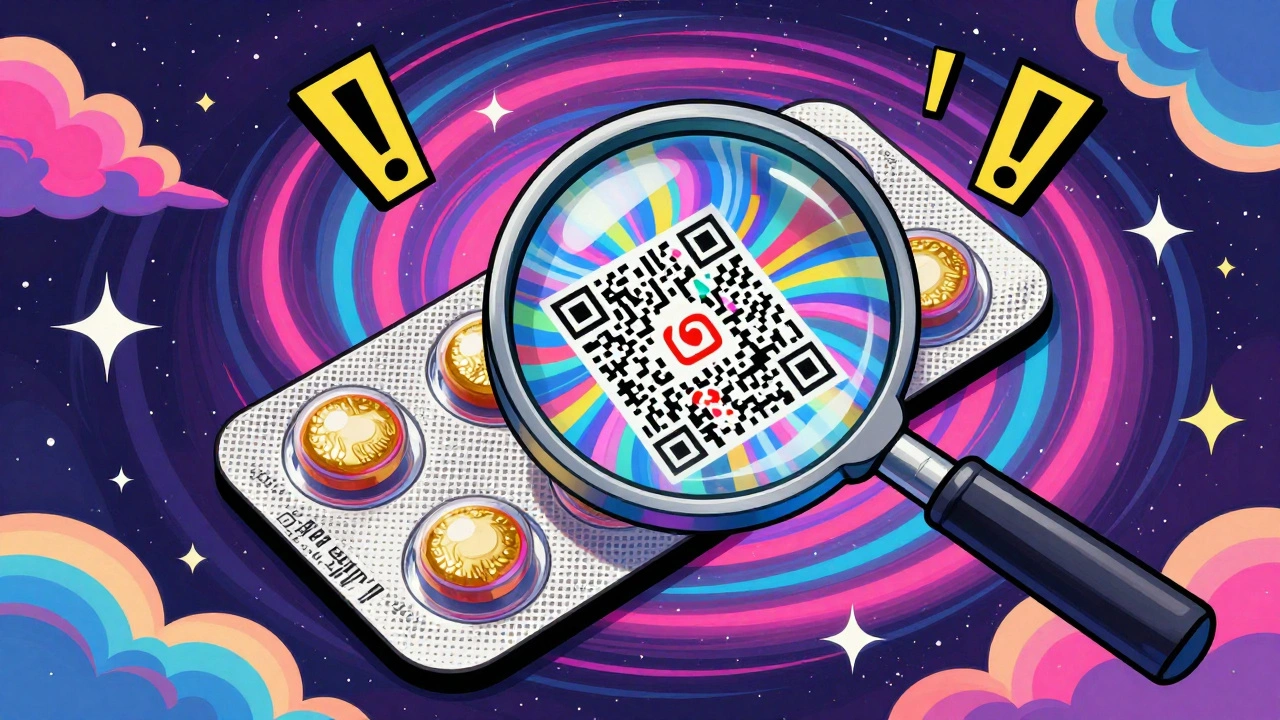
How to Identify Counterfeit Medication Packaging and Seals
Learn how to spot fake medication packaging and seals with simple visual checks, UV tests, QR scans, and expert tips. Protect yourself from dangerous counterfeit drugs that look real but can harm you.