Fake Pills: How to Spot Counterfeit Medications and Stay Safe
When you buy medicine, you expect it to work—and to be safe. But fake pills, counterfeit versions of real drugs that may contain nothing, wrong ingredients, or dangerous doses. Also known as counterfeit drugs, they’re sold online, at street markets, and even disguised as legitimate prescriptions. These aren’t just scams—they’re a public health crisis. The FDA has found fake versions of opioids, antibiotics, heart meds, and even erectile dysfunction pills with lethal levels of fentanyl or rat poison. People think they’re buying a safe pill from a trusted brand, but they’re risking their life.
Fake pills often look identical to the real thing, which is why you can’t rely on packaging or color alone. A pill sold as oxycodone might be made of fentanyl and chalk. A fake Viagra might have no sildenafil at all—or worse, it could contain heavy metals or industrial dyes. The medication authenticity, the ability to confirm a drug is genuine and properly manufactured depends on where you buy it. Most fake pills come from unlicensed online pharmacies that don’t require prescriptions, hide their location, and use fake seals. Real pharmacies are verified by groups like VIPPS and PharmacyChecker. If a site doesn’t list a physical address, a phone number, or a licensed pharmacist you can talk to, walk away.
Even if you’re buying from a site that looks professional, always check for the VIPPS seal or verify through the National Association of Boards of Pharmacy. Don’t trust deals that seem too good to be true—a bottle of brand-name pills at 80% off is almost certainly fake. The same goes for pills sold through social media, text messages, or unmarked packages. The safe online pharmacies, legally operated sites that follow strict quality and safety standards don’t rush you. They ask questions. They require a prescription. They let you speak to a pharmacist. And they never ship from overseas without clear labeling.
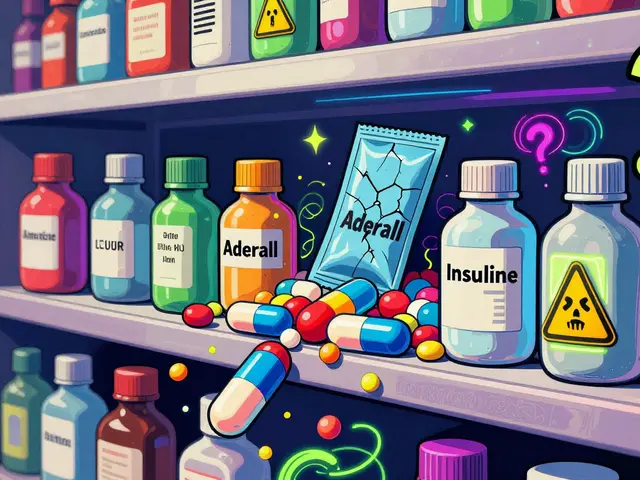
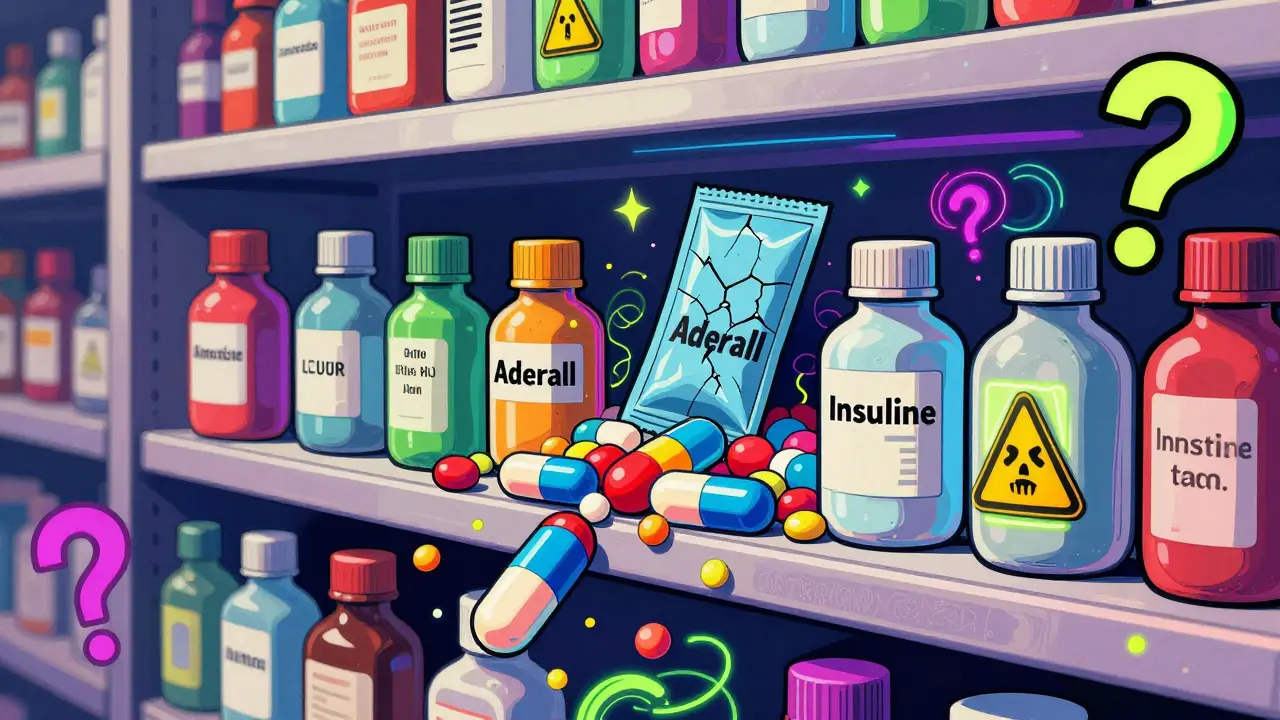
Counterfeit drugs aren’t just about money—they’re about control. Criminals know people are desperate for pain relief, weight loss pills, or mental health meds. They exploit that. They put fentanyl in fake Adderall and sell it to college students. They mix laxatives into fake weight loss pills and call them "natural." They sell fake insulin that does nothing but spike blood sugar. These aren’t mistakes. They’re targeted. And they’re killing people.
Knowing how to spot the signs helps. Check for misspellings on the label. Look for uneven color or odd texture on the pill. If the bottle smells weird or the pills crumble easily, that’s a red flag. Always compare the pill to images on the official manufacturer’s site. If you’re unsure, take it to a local pharmacy—they can often test it. And if you ever feel sick after taking a pill you bought online, report it to MedWatch. Your report could save someone else’s life.
The collection below gives you real, practical tools to protect yourself. You’ll find guides on how to verify online pharmacies, how to spot fake packaging, what to do if you think you’ve taken a counterfeit drug, and how to safely dispose of suspicious pills. These aren’t theory pieces—they’re step-by-step checks used by pharmacists, doctors, and safety agencies. You don’t need to be an expert to use them. Just smart enough to ask the right questions before you swallow anything.
 18 January 2026
How to Report Suspected Counterfeit Drugs to Authorities
Learn how to report suspected counterfeit drugs to the FDA and other authorities. Step-by-step guide on what to do, where to report, and how to preserve evidence to stop dangerous fake medicines from harming others.
 1 December 2025
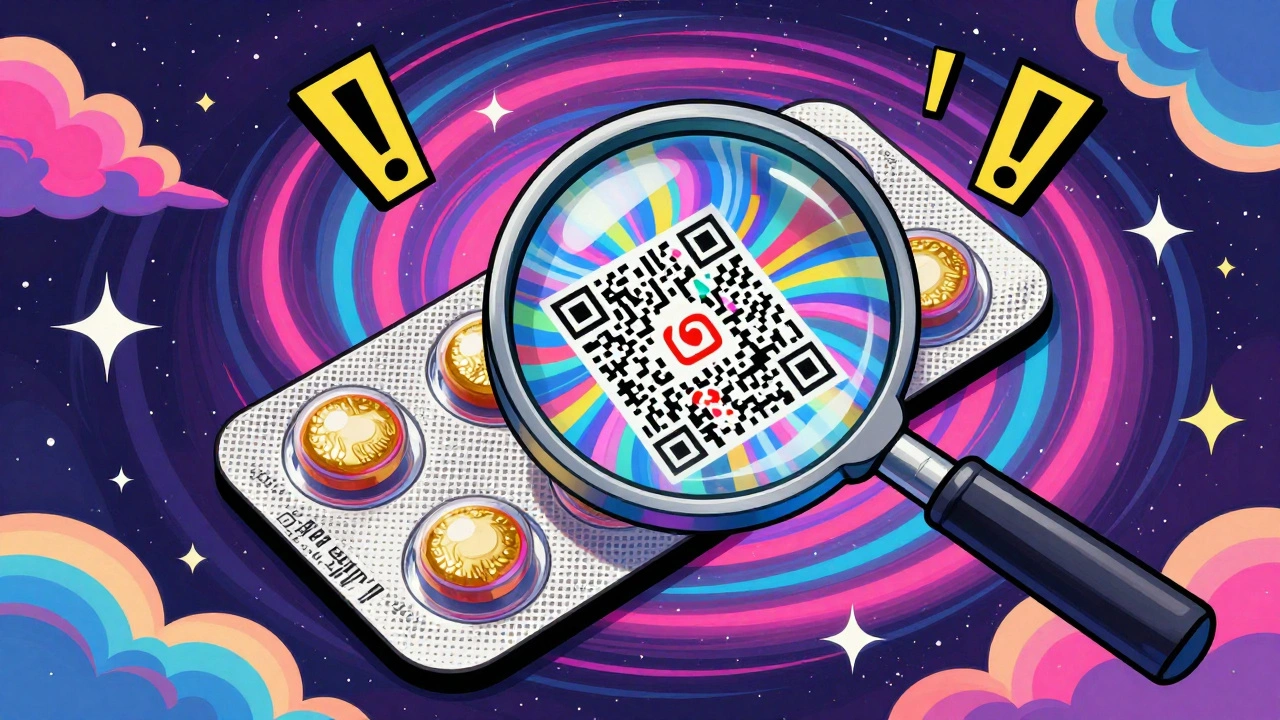
How to Identify Counterfeit Medication Packaging and Seals
Learn how to spot fake medication packaging and seals with simple visual checks, UV tests, QR scans, and expert tips. Protect yourself from dangerous counterfeit drugs that look real but can harm you.