Expired Pediatric Medications: What You Need to Know Before Using Them
When a child’s medicine passes its expiration date, it doesn’t just become outdated—it might not work at all, or worse, it could harm them. Expired pediatric medications, drugs meant for children that have surpassed their manufacturer-tested safe and effective period. Also known as out-of-date children’s medicine, these aren’t just old pills or syrup—they’re a risk you can’t afford to ignore. The FDA doesn’t require drugs to be tested beyond their labeled date, but studies show many medications, especially liquids and antibiotics, lose potency fast after expiration—sometimes within months. For kids, that means a cough syrup might not reduce fever, or an antibiotic might fail to fight an infection, leading to longer illness or worse complications.
Storage plays a huge role. Heat, humidity, and light speed up degradation. A bottle of amoxicillin left in a hot bathroom cabinet isn’t just expired—it’s chemically changed. Drug expiration dates, the date manufacturers guarantee full potency and safety under proper conditions aren’t arbitrary. They’re based on real stability testing. And while some solid tablets might hold up longer, liquid suspensions, eye drops, and insulin break down quickly. Even if it looks fine, smells okay, or hasn’t changed color, you can’t tell if it’s still safe. Child medication safety, the practice of keeping kids’ drugs stored correctly and used only within their effective window isn’t just about keeping pills out of reach—it’s about knowing when to throw them away.
Parents often hold onto leftover meds, thinking they’ll save money or time next time their child gets sick. But using old antibiotics for a new ear infection? That’s not smart—it’s dangerous. It can lead to antibiotic resistance, missed diagnoses, or allergic reactions from degraded compounds. The same goes for epinephrine auto-injectors. If it’s expired, it won’t work in an emergency. And don’t rely on online myths like "it’s fine for a year past the date." That’s not science—it’s luck.
What should you do instead? Always check the expiration date before giving any medicine to a child. Store meds in a cool, dry place—not the bathroom or car. Use child-resistant caps and lock them up. When in doubt, toss it. Many pharmacies and local health departments offer free take-back programs. Never flush meds down the toilet unless instructed. And never, ever give a child medicine meant for another kid, even if it looks the same.
The posts below cover real-world situations where medication safety, storage, and authenticity make the difference between recovery and harm. You’ll find guides on spotting fake drugs, understanding how liver or kidney issues change how kids process meds, and how to safely dispose of old prescriptions. These aren’t theoretical—they’re lessons from parents, pharmacists, and doctors who’ve seen what happens when expiration dates are ignored.
 1 December 2025
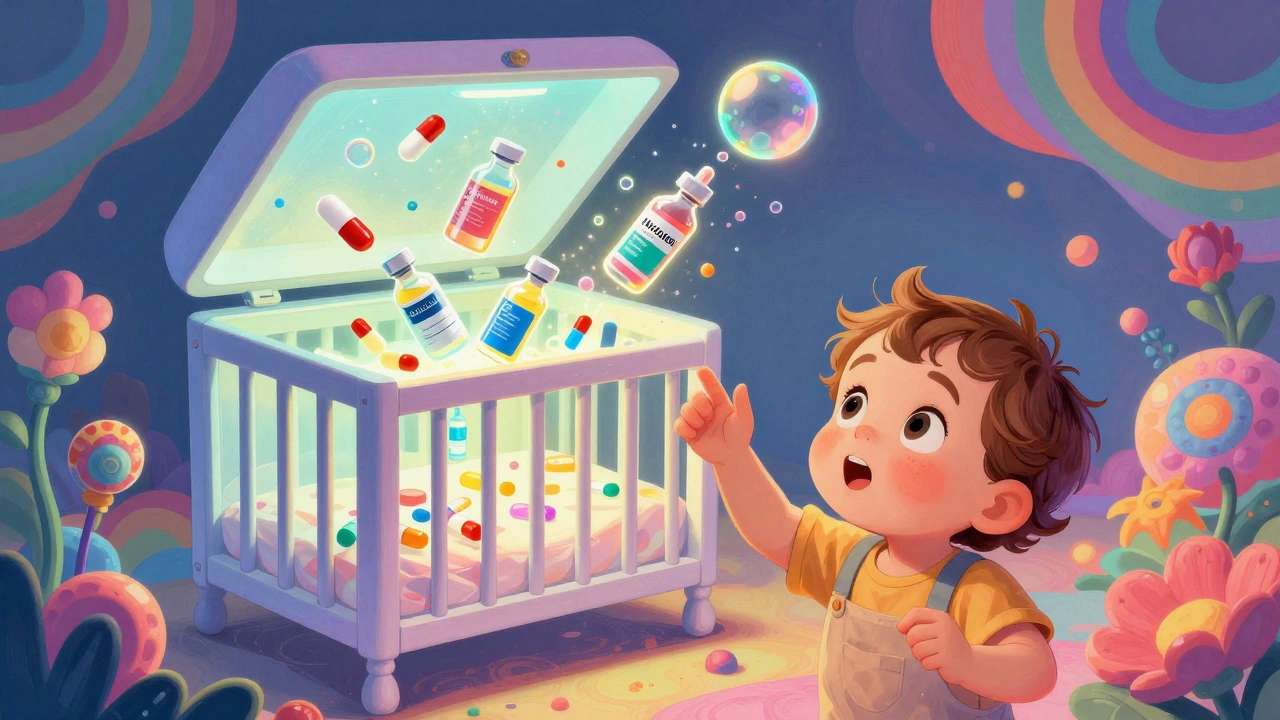
How to Safely Dispose of Expired Pediatric Medications
Expired pediatric medications can be dangerous-even deadly-for children. Learn why they’re risky, which ones are most dangerous, and how to safely dispose of them to protect your family.