eMAR Systems: What They Are and How They Keep Medication Safe
When a nurse gives a patient their medicine, eMAR systems, digital records that track every medication dose given to a patient in real time. Also known as electronic medication administration records, they replace handwritten charts that could be misread, lost, or filled out late. These systems are now the standard in most hospitals because they stop mistakes before they happen—like giving the wrong drug, wrong dose, or giving it at the wrong time.
eMAR systems don’t work alone. They connect to electronic health records, central digital files that hold a patient’s medical history, allergies, and current prescriptions. When a doctor writes a new order, it goes straight into the eMAR. The system checks for allergies, duplicate meds, or dangerous interactions—like mixing clarithromycin with calcium channel blockers—and flags it before the nurse even picks up the pill bottle. It also ties into MedWatch, the FDA’s system for tracking bad reactions to drugs. If a patient has a reaction, the eMAR logs it automatically, helping hospitals spot patterns and the FDA spot dangerous trends faster.
But eMAR systems aren’t perfect. If staff don’t scan the barcode on the pill or skip verifying the patient’s wristband, the system can’t help. That’s why training matters. And when a system glitches—like failing to update a new dose—it can cause delays or even errors. The best hospitals use eMARs as part of a bigger safety culture: double-checks, clear protocols, and constant feedback from nurses and pharmacists. You’ll find real examples of this in posts about medication safety, from how to spot counterfeit drugs to why reporting side effects through MedWatch saves lives.
What you’ll find below are real stories from clinics and pharmacies where eMAR systems made the difference—between a patient getting the right drug on time, and a preventable mistake. These aren’t theory pieces. They’re about what happens when digital tools meet human care, and how we keep that balance safe.
 5 December 2025
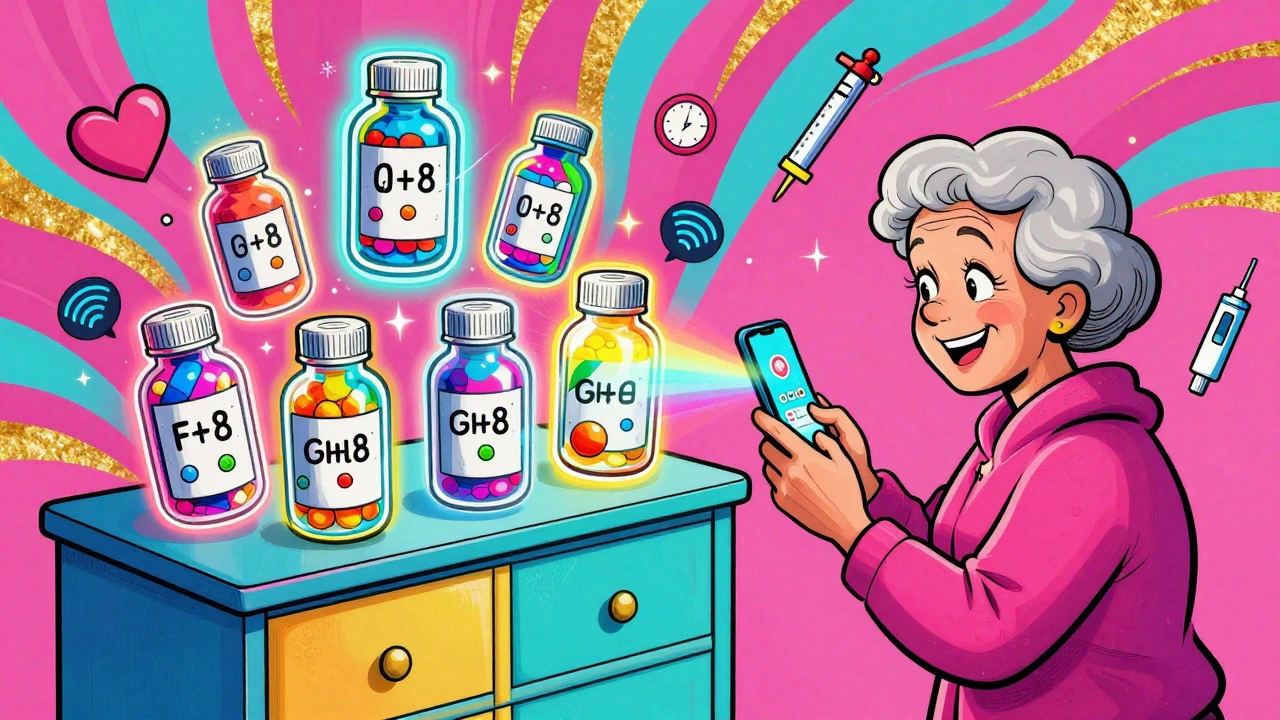
How to Use Technology to Track Medication Expiration Dates
Learn how RFID, eMAR systems, and mobile apps help track medication expiration dates to improve safety, reduce waste, and prevent dangerous mistakes. Practical tech solutions for home users and healthcare providers.