
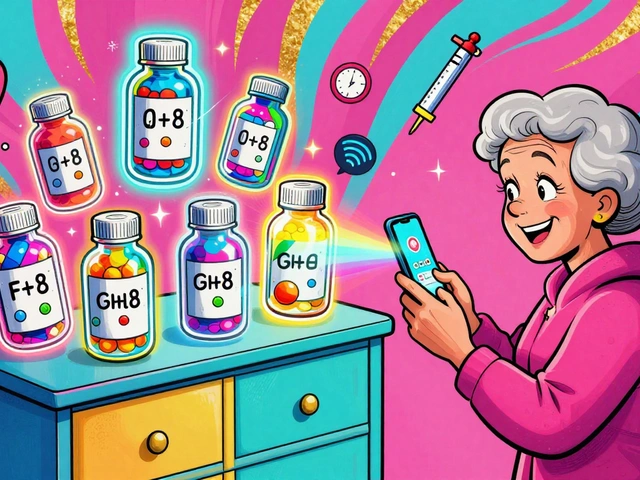
Every year, thousands of people in the U.S. accidentally take expired medication-sometimes because it was stored in a drawer for years, or because a caregiver missed the small print on the label. The consequences can range from reduced effectiveness to serious health risks. But here’s the good news: you don’t have to rely on memory or handwritten notes anymore. Technology now makes it easier than ever to track when your medications expire-whether you’re managing a household medicine cabinet, running a clinic, or coordinating care for someone with multiple prescriptions.
Why Medication Expiration Tracking Matters
Medications don’t suddenly become dangerous the day after their expiration date. But they do lose potency over time. A 2020 FDA study found that some antibiotics and insulin can drop below effective levels within months of expiration, especially if stored in warm or humid conditions. For people with chronic conditions like diabetes, epilepsy, or heart disease, even a small drop in drug effectiveness can lead to hospitalization. Beyond safety, there’s waste. Hospitals throw out an average of $1.5 billion worth of expired drugs each year. In home settings, families often stockpile old pills “just in case,” leading to clutter and confusion. Technology solves both problems: it keeps you safe and saves money.How RFID Tags Are Changing Medication Management
The most powerful tool in modern expiration tracking is RFID-Radio Frequency Identification. Think of it like a tiny radio chip glued to the side of a pill bottle or blister pack. When you place it near a scanner, the system instantly reads the drug name, lot number, and expiration date-no barcode scanning, no typing, no guesswork. Hospitals like Texas Children’s and UF Health Shands now use RFID to track hundreds of high-value medications. One system, KitCheck, can scan an entire tray of 50+ drugs in under 10 seconds. Before RFID, that process took 20 minutes or more-and often missed something. Now, staff get alerts when a medication is within two days of expiring. If a drug is about to expire, the system blocks it from being dispensed until it’s replaced. You don’t need to be in a hospital to benefit. Some pharmacies now ship medications with pre-tagged RFID labels. If you’re caring for an elderly parent or managing a home care regimen, ask your pharmacist if they offer RFID-enabled packaging. It’s becoming more common in chronic care programs.eMAR Systems for Long-Term Care and Home Use
If you’re managing medications for someone with dementia, intellectual disabilities, or multiple daily doses, eMAR (Electronic Medication Administration Record) systems are a game-changer. These are apps or web platforms that sync with pharmacy records and send automated reminders. eVero’s platform, for example, integrates directly with pharmacy ordering systems. When a prescription is filled, the expiration date is automatically loaded into the system. Caregivers get push notifications on their phones: “Lisinopril 10mg expires 03/15/2026. Replace by 03/13.” No more digging through pill organizers or relying on sticky notes. These systems also log who gave the dose and when-critical for compliance in home care agencies or assisted living facilities. In 2023, a study of IDD (Intellectual and Developmental Disabilities) agencies found that using eMAR cut medication errors by 68% and reduced time spent on documentation by over 40%.
Automated Dispensing Cabinets (ADCs) for Pharmacies and Clinics
In pharmacies and clinics, Automated Dispensing Cabinets (ADCs) are the backbone of inventory control. These locked cabinets look like high-tech vending machines. When a nurse or pharmacist opens a drawer to grab a medication, the system automatically logs the item, its lot number, and expiration date. TouchPoint Medical’s ADCs go further: they can detect if a drug is expired before allowing access. If someone tries to pull a bottle that’s past its date, the cabinet won’t open. It also tracks usage patterns, so the pharmacy knows exactly when to reorder-cutting down on overstocking and waste. For smaller clinics, you don’t need a full cabinet. Some companies now offer compact ADC units that sit on a counter and hold 20-30 common medications. These cost under $5,000 and connect to cloud software for remote monitoring.Mobile Apps for Home Users and Emergency Responders
You don’t need hospital-grade gear to track your meds. Apps like LogRx turn your smartphone into a medication tracker. Just scan the barcode on your prescription bottle, and the app stores the expiration date. It sends you alerts via text or email-no subscription needed. Portland Fire & Rescue started using LogRx in 2023 to manage emergency kits. Before, they had to manually check every EpiPen and Narcan vial every quarter. Now, the app flags expiring items automatically. “We’ve cut our inventory checks from 12 hours a month to under 2,” said one paramedic. Other apps like Medisafe and MyTherapy offer similar features and include pill reminders, refill alerts, and even family sharing options. For seniors or caregivers, these apps can be linked to a relative’s phone so they get notified if a dose is missed or a drug is expiring soon.What to Look for in a Tracking System
Not all systems are built the same. Here’s what to prioritize:- Real-time alerts - Does it warn you days before expiration, or just on the day?
- Integration - Can it connect to your pharmacy’s system or EHR (electronic health record)?
- Offline access - Will it still work if your internet goes down?
- Scalability - Can it handle 5 medications or 500?
- Cost - Some apps are free. Hospital systems cost tens of thousands. Know your needs.
Common Mistakes and How to Avoid Them
Even with technology, people still mess up. Here are the top three pitfalls:- Not updating the system - If you switch from one brand of insulin to another, you have to scan the new bottle. The system won’t auto-update.
- Ignoring alerts - If you snooze a notification for a week, the drug might expire before you act. Set a recurring daily check.
- Assuming all meds are trackable - Over-the-counter drugs, vitamins, and supplements rarely come with barcodes or RFID. Keep these in a separate log.
Future Trends: AI, Blockchain, and Manufacturer-Pre-Tagged Drugs
The next wave of medication tracking is already here. In early 2025, Intelliguard Health began piloting AI that predicts which drugs are most likely to expire soon based on usage patterns-so pharmacies can reorder smarter. Some manufacturers, like Pfizer and Merck, are now printing RFID tags directly on blister packs during production. That means no more manual tagging by hospitals or pharmacies. Blockchain is being tested to track drugs from factory to patient, reducing counterfeit risks. And in 2024, UF Health Shands launched a “hospital-at-home” program where patients receive RFID-tagged meds delivered to their door-with expiration tracking built into the delivery app. By 2027, Gartner predicts nearly half of U.S. hospitals will use RFID for medication tracking. The technology is no longer a luxury-it’s becoming standard.Getting Started Today
You don’t need to overhaul your whole system to begin. Here’s a simple 3-step plan:- Download a free app like Medisafe or LogRx. Scan all your current prescriptions.
- Set up weekly reminders to review your list. Delete anything expired or unused.
- Ask your pharmacist if they offer RFID-tagged packaging or automated refill alerts.
Can I just use a spreadsheet to track expiration dates?
Yes, you can-but it’s not ideal. Spreadsheets require manual entry, and they don’t send alerts. If you’re managing 10 or fewer medications and check them monthly, a spreadsheet works. But if you’re juggling dozens of prescriptions, managing care for someone else, or working in a clinic, automated systems reduce errors and save hours every week. Technology doesn’t replace your memory-it supports it.
Are expired medications dangerous to take?
Most expired medications aren’t toxic, but they often lose potency. Antibiotics may not fully treat an infection. Epinephrine auto-injectors can fail to work in an emergency. Insulin may not lower blood sugar as expected. The FDA says some drugs retain effectiveness years past expiration if stored properly, but there’s no guarantee. Better to replace them than risk it.
Do all pharmacies offer medication tracking tech?
Not yet. Large chain pharmacies like CVS and Walgreens are starting to offer digital refill reminders and expiration alerts through their apps. Independent pharmacies may not have the infrastructure. Ask if they integrate with apps like Medisafe or if they can scan your prescriptions into a tracking system. If they don’t, you can still manually enter them into your own app.
Is RFID tracking safe for my privacy?
Yes. RFID tags used in medication tracking only store a unique code that links to a secure database. They don’t contain your name, address, or medical history. The data is encrypted and protected under HIPAA rules in healthcare settings. For consumer apps, check the privacy policy-most reputable ones don’t sell your data.
What’s the cheapest way to start tracking my meds?
Use a free app like Medisafe or MyTherapy. They let you scan barcodes, set reminders, and track expiration dates-all without paying anything. You can also create a simple digital calendar (Google Calendar, Apple Reminders) with alerts for each medication’s expiration date. It’s low-tech but effective if you’re consistent.
How often should I check my medication expiration dates?
Set a reminder every three months. That’s enough to catch anything expiring soon without being overwhelming. If you’re on high-risk medications (like insulin, epinephrine, or seizure meds), check monthly. Technology helps, but human review still matters. Don’t rely on alerts alone-do a quick visual check too.




December 7, 2025 AT 01:05
Arjun Deva
Okay, but who’s really controlling the RFID database? I’ve seen this before-‘smart’ pill bottles that report to some corporate server… then suddenly your insulin is ‘expired’ because you didn’t buy the premium subscription. This isn’t safety-it’s surveillance capitalism with a stethoscope.
December 8, 2025 AT 07:54
Jackie Petersen
USA invented this tech, and now we’re supposed to trust India and China to make the chips? Give me a break. If you want real security, use paper and a pen. At least then you know who’s holding the pen.
December 9, 2025 AT 20:21
Geraldine Trainer-Cooper
apps are fine but honestly why not just write dates on the bottle with a sharpie? I’ve been doing it for years. No Wi-Fi needed. No updates. No creepy notifications. Just me and my meds and a marker that doesn’t judge.
December 10, 2025 AT 03:57
Kenny Pakade
RFID? You mean the same tech the government uses to track your Walmart purchases? And now they’re putting it on my heart pills? This is how they start. First your meds, then your blood pressure, then your thoughts. Wake up.
December 10, 2025 AT 22:30
Brooke Evers
I just want to say how much this post means to me. My mom has diabetes and three other conditions, and I used to spend hours every week digging through drawers trying to figure out which pills were still good. I started using Medisafe last year and it changed everything. I don’t feel like I’m drowning anymore. The alerts are gentle, the interface is calm, and I can share access with her pharmacist. It’s not magic-but it’s the closest thing to peace of mind I’ve had in years. Thank you for writing this.
December 11, 2025 AT 21:12
Nigel ntini
Excellent breakdown. I particularly appreciate the emphasis on offline functionality and cost scalability. Many technological solutions overlook the fact that not everyone has reliable internet-or the budget for enterprise systems. The three-step plan is pragmatic and accessible. For small clinics in rural areas, even a simple digital calendar with alerts can be transformative. Technology should empower, not exclude.
December 13, 2025 AT 08:23
Ashish Vazirani
Let me tell you what they don’t want you to know… the FDA knows most drugs last for decades. They push expiration dates so pharmaceutical companies can sell you more. I’ve got a bottle of amoxicillin from 2017 that still works fine. The system wants you scared. Don’t be. Trust your body. Not the algorithm.
December 14, 2025 AT 03:12
Mansi Bansal
While the technological infrastructure described herein is undeniably sophisticated and replete with logistical advantages, one must not overlook the epistemological implications of delegating medical vigilance to algorithmic systems. The human agent, in relinquishing tactile and mnemonic responsibility to RFID and eMAR, risks the erosion of embodied caregiving-a practice rooted in ritual, attention, and somatic attunement. One may ask: Is the reduction of error worth the commodification of care? The answer, I submit, lies not in the efficacy of the system, but in the ontological cost of its adoption.