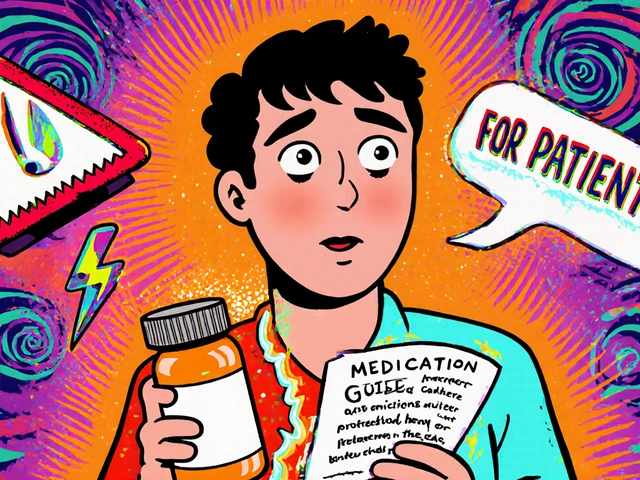
Corticosteroids: What They Are, How They Work, and What You Need to Know
When your body is fighting inflammation—whether from arthritis, asthma, or a severe allergic reaction—corticosteroids, a class of powerful anti-inflammatory drugs that mimic natural hormones produced by your adrenal glands. Also known as steroids, they’re not the same as the muscle-building kind you hear about in sports. These are prescription medications that calm overactive immune responses, and they’ve helped millions avoid hospitalizations or permanent damage. But here’s the catch: what works in a controlled study doesn’t always play out the same way when you’re taking them for months or years.
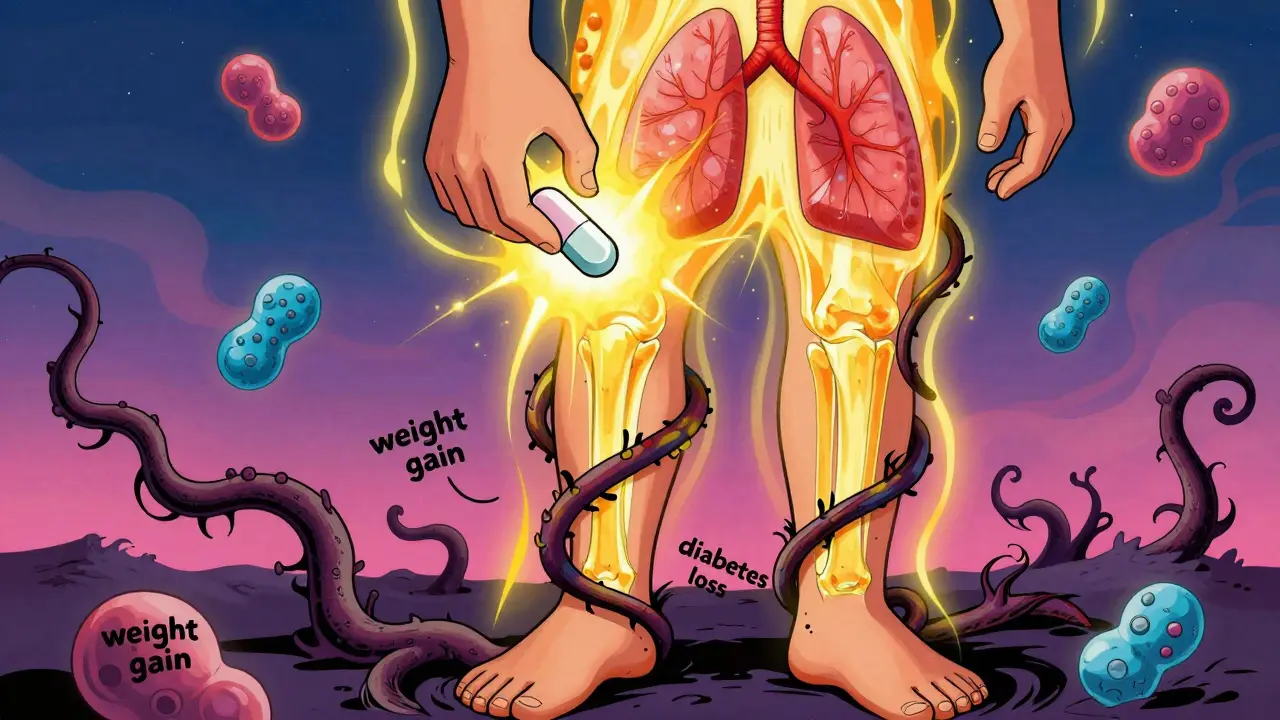
Corticosteroids are used for a wide range of conditions, from eczema to lupus to COPD flare-ups. But they don’t just turn off inflammation—they also suppress your immune system, which can leave you vulnerable to infections. Long-term use can lead to weight gain, high blood pressure, bone thinning, and even diabetes. And while clinical trials often report side effects like "mild nausea" or "temporary mood changes," real people on these drugs report insomnia, facial swelling, or sudden mood swings that wreck relationships. immune suppression, a key mechanism of corticosteroids that reduces the body’s ability to fight off pathogens is why doctors warn against using them for minor issues. steroid side effects, the collection of physical and psychological changes that occur with prolonged corticosteroid use aren’t rare—they’re expected if you’re on high doses for too long.
What you won’t always hear from your doctor is how hard it is to stop. Suddenly quitting corticosteroids after weeks or months can crash your body’s natural hormone production, leading to fatigue, joint pain, and even life-threatening adrenal insufficiency. That’s why tapering isn’t optional—it’s essential. And while some people get relief with short bursts, others rely on low-dose daily use for years. The trade-offs aren’t simple. You might feel better today, but what about your bones in five years? Your blood sugar in ten? These aren’t theoretical concerns—they show up in real-world data from patients who’ve been on these drugs longer than their doctors expected.
The posts below dive into exactly these real-world stories and hidden risks. You’ll find how corticosteroids interact with other medications, what side effects actually get reported to the FDA, how to spot early signs of damage, and what alternatives exist when the risks outweigh the benefits. No fluff. No marketing. Just what people are experiencing—and what the data says about staying safe while using these powerful drugs.
 30 January 2026
Corticosteroids: When Short-Term Relief Outweighs Long-Term Risks
Corticosteroids offer fast relief for inflammation but carry serious short- and long-term risks. Learn when they’re necessary, how to minimize harm, and what alternatives exist.
 4 December 2025
Dexamethasone vs Prednisone: Which Steroid Is Stronger and Safer?
Dexamethasone and prednisone are both powerful steroids used to reduce inflammation, but they differ in strength, duration, and side effects. Learn which is better for acute vs. chronic conditions and what risks to watch for.