Opioids and Liver Disease: Risks, Interactions, and Safe Use
When you take opioids, a class of powerful painkillers that include oxycodone, hydrocodone, and morphine. Also known as narcotics, they work by binding to brain receptors to reduce pain—but they also put stress on your liver, especially if you already have liver disease. Many people don’t realize that even prescribed opioids can make liver damage worse, especially in those with fatty liver, hepatitis, or cirrhosis. The liver breaks down these drugs, and if it’s already struggling, toxins build up faster, increasing the risk of overdose, confusion, or even liver failure.
Liver disease, a condition where the liver can’t function properly due to fat buildup, infection, or scarring. Also known as hepatic impairment, it changes how your body handles every medication you take. If your liver can’t process opioids efficiently, the drugs stick around longer in your system. That means even a normal dose can become too strong. This is why doctors avoid high-dose or long-acting opioids in patients with advanced liver disease. They often switch to safer pain options like acetaminophen (in low doses) or non-drug therapies. But here’s the catch: many people on opioids for chronic pain also take other meds—like antibiotics, statins, or even herbal supplements—that also go through the liver. That’s a recipe for dangerous interactions. For example, clarithromycin and certain antivirals can slow down opioid breakdown even more, raising the risk of breathing problems or coma.
It’s not just about the pills you take—it’s about what you’re already living with. People with alcohol-related liver damage or NAFLD are especially vulnerable. Weight loss and better diet can help reverse early liver damage, but opioids can undo that progress by worsening inflammation and metabolic stress. And if you’re using opioids for pain while also trying to lose weight for fatty liver disease, you’re fighting two battles at once. The liver doesn’t care about your intentions—it only reacts to what’s in your bloodstream.
What you’ll find below are real, practical guides on how opioids interact with liver health, what meds to avoid, how to spot early signs of trouble, and what safer alternatives exist. These aren’t theoretical articles—they’re written for people managing pain while protecting their liver. Whether you’re on opioids now, considering them, or helping someone who is, this collection gives you the facts you need to make smarter choices—without the fluff.
 27 November 2025
Opioids and Liver Disease: How Impaired Liver Function Changes Pain Medication Risks
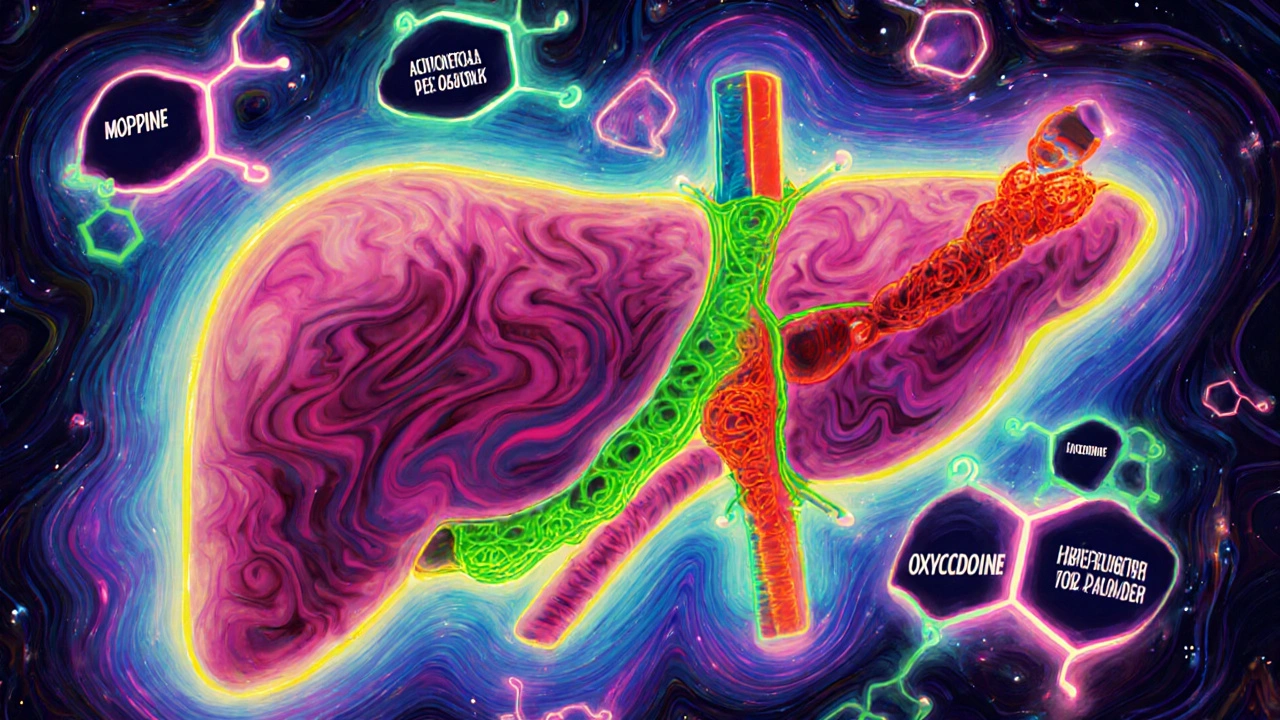
Opioids can become dangerously toxic in liver disease due to impaired metabolism. Learn how liver damage alters drug processing, which opioids are riskiest, and how to adjust doses safely to avoid overdose and worsening liver damage.