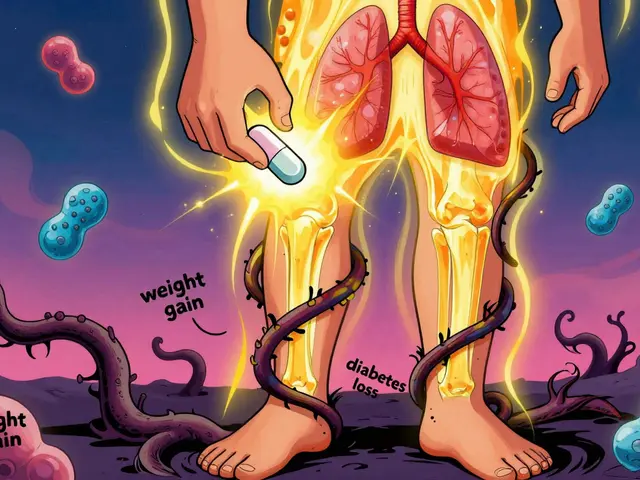
Gliptins: What They Are, How They Work, and What You Need to Know
When you have type 2 diabetes, your body struggles to keep blood sugar in check. One group of medications designed to help is called gliptins, a class of oral diabetes drugs that block the DPP-4 enzyme to increase insulin production after meals. Also known as DPP-4 inhibitors, they work differently than metformin or insulin—without causing weight gain or low blood sugar in most people. That’s why many doctors turn to them when other treatments aren’t enough—or when patients need something gentler.
Gliptins don’t force your body to make more insulin all the time. Instead, they let your body use its own natural hormones—GLP-1 and GIP—more effectively. These hormones tell your pancreas to release insulin only when blood sugar rises, like after eating. That’s why they’re less likely to cause dangerous drops in blood sugar. They also help reduce the liver’s sugar output, which keeps fasting glucose lower. This makes them a smart choice for people who are worried about hypoglycemia, especially older adults or those with irregular eating habits.
Common gliptins include sitagliptin, saxagliptin, linagliptin, and alogliptin. Each works the same way, but some are cleared by the kidneys, others by the liver—so your doctor picks one based on your kidney or liver health. For example, linagliptin doesn’t need dose adjustments in kidney disease, making it a go-to for patients on dialysis. And unlike some older diabetes pills, gliptins don’t usually cause weight gain. In fact, most people stay about the same weight while taking them.
But they’re not magic. Gliptins work best when combined with diet, movement, and sometimes other meds. They’re not strong enough on their own for someone with very high A1C levels. And while side effects are rare, some people report headaches, nasal congestion, or sore throat. Rarely, there’s a risk of pancreatitis or joint pain. If you’ve had pancreatitis before, your doctor might avoid these drugs altogether.
What’s interesting is how gliptins fit into the bigger picture of diabetes care. They’re often used after metformin, but sometimes alongside SGLT2 inhibitors or GLP-1 agonists. They’re also one of the few diabetes drugs that don’t interact badly with most other medications—making them safer for people taking blood pressure pills, statins, or even antibiotics. That’s why they show up in so many treatment plans.
You’ll also find them discussed alongside real-world outcomes, not just clinical trials. While studies show they lower A1C by about 0.5% to 1%, real patients report better daily control, fewer sugar spikes after meals, and more confidence managing their condition. That’s the kind of benefit that matters beyond lab numbers.
Below, you’ll find real-world insights from people using these drugs, comparisons with other treatments, and safety tips you won’t find on the pill bottle. Whether you’re just starting out or have been on gliptins for years, there’s something here that can help you use them smarter—and safer.
 1 December 2025
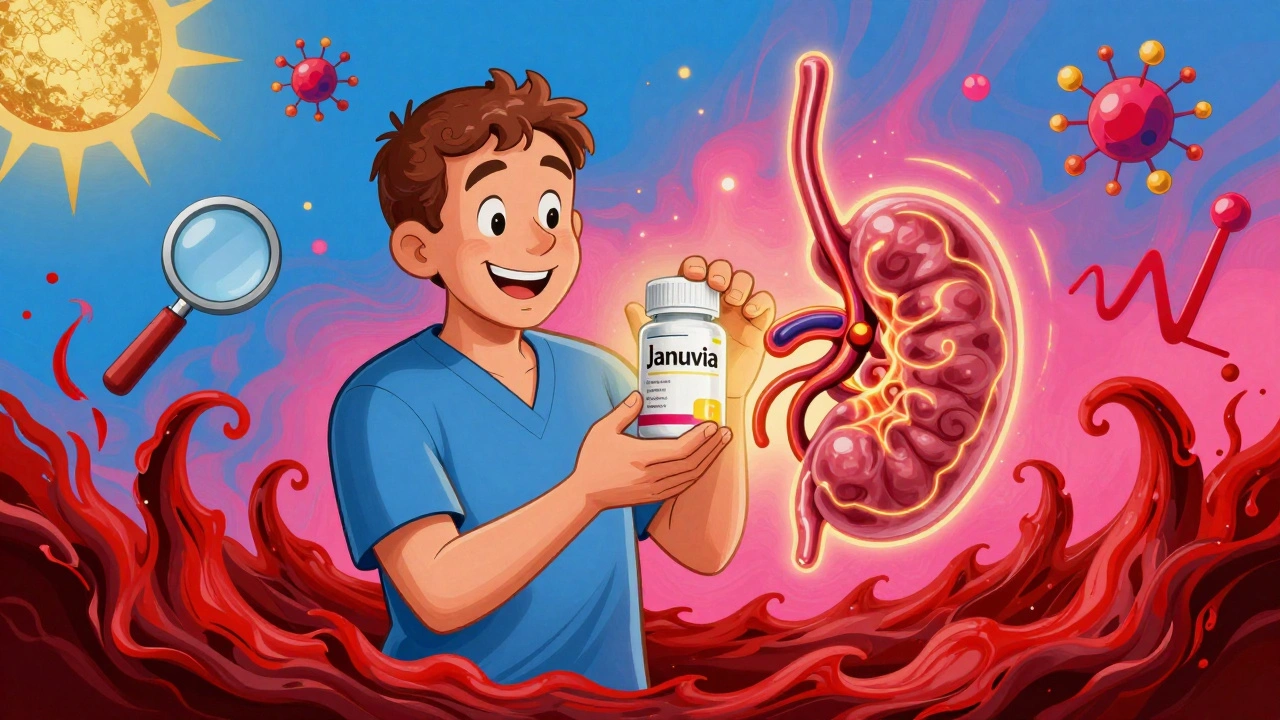
DPP-4 Inhibitors: Understanding the Pancreatitis Risk and Other Serious Side Effects
DPP-4 inhibitors help control blood sugar in type 2 diabetes, but carry a rare but serious risk of acute pancreatitis. Learn the symptoms, real-world data, and who should avoid these drugs.