Fake Drug Packaging: How to Spot Counterfeit Medications and Stay Safe
When you buy medicine, you trust that what’s in the bottle is real. But fake drug packaging, counterfeit medicine designed to look like the real thing. Also known as counterfeit drugs, it can contain nothing, the wrong dose, or even toxic chemicals. This isn’t a rare problem—it’s growing fast, especially online. The FDA estimates that up to 1 in 10 medicines sold globally are fake, and in some countries, it’s as high as 50%. You don’t need to be a pharmacist to protect yourself. You just need to know what to look for.
Counterfeiters don’t just copy the label—they copy the whole experience. They mimic bottle shapes, color schemes, even the sound of the cap clicking shut. But real pharmaceuticals have hidden security features: tamper-evident seals, holograms that shift under light, unique serial numbers, and special inks that glow under UV. If your bottle doesn’t have these, or if the print looks blurry or misaligned, it’s a red flag. medication authenticity, the ability to verify that a drug is genuine and properly manufactured isn’t just about brand loyalty—it’s about survival. A fake antibiotic might not kill your infection. A fake heart pill could stop your heart. And fake painkillers? They’ve been laced with fentanyl, killing people who thought they were just taking a regular pill.
Most fake drugs come from unlicensed online pharmacies. That’s why safe online pharmacies, websites verified by independent agencies to sell only legitimate, regulated medications matter. Look for the VIPPS seal in the U.S. or similar certifications abroad. If a site lets you buy prescription drugs without a prescription, runs on a .xyz domain, or asks for payment in cryptocurrency, walk away. Even if the price seems too good to be true, it probably is. Real medicine costs money to make, test, and distribute. If it’s cheap, it’s likely fake.
You also need to know how to store and check your meds at home. Fake drugs often have strange smells, odd textures, or pills that crumble. If your medication looks different from last time—even if the name is the same—ask your pharmacist. Keep your drugs in their original containers. Never transfer them to pill organizers unless you’re sure they’re real. And always dispose of expired or suspicious pills properly. Throwing them in the trash or flushing them can harm the environment and let someone else find and use them.
This isn’t about paranoia. It’s about awareness. Every year, people die from fake insulin, fake cancer drugs, fake erectile dysfunction pills. The people behind these scams don’t care who they hurt. But you can stop them—by learning the signs, buying smart, and reporting suspicious products. The FDA’s MedWatch system lets you report fake packaging, and your report could help save someone else’s life. Below, you’ll find real guides on spotting unsafe pharmacies, protecting your home medicine cabinet, reading drug safety alerts, and understanding how counterfeit drugs slip through the cracks. This isn’t theory. These are the tools real people use to stay alive.
 1 December 2025
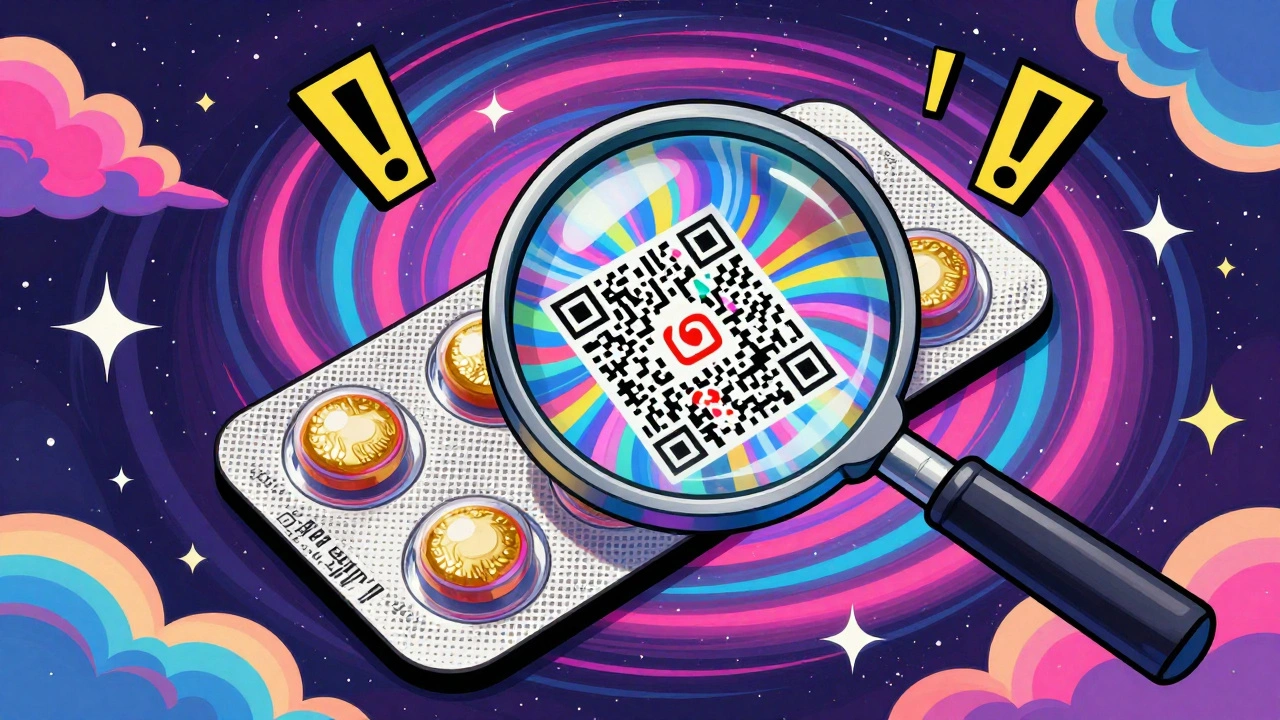
How to Identify Counterfeit Medication Packaging and Seals
Learn how to spot fake medication packaging and seals with simple visual checks, UV tests, QR scans, and expert tips. Protect yourself from dangerous counterfeit drugs that look real but can harm you.