Children's Medicine Safety: Protecting Kids from Harmful Errors and Counterfeits
When it comes to children's medicine safety, the practices that prevent accidental overdoses, counterfeit drugs, and harmful interactions in young patients. Also known as pediatric medication safety, it’s not just about giving the right dose—it’s about keeping medicine out of reach, recognizing fake packaging, and knowing what happens when pills mix with other drugs or supplements. Every year, emergency rooms treat thousands of kids because a medicine was left on a nightstand, stored in a clear jar, or mistaken for candy. The FDA and AAP agree: the biggest risk isn’t always the drug itself—it’s how it’s handled at home.
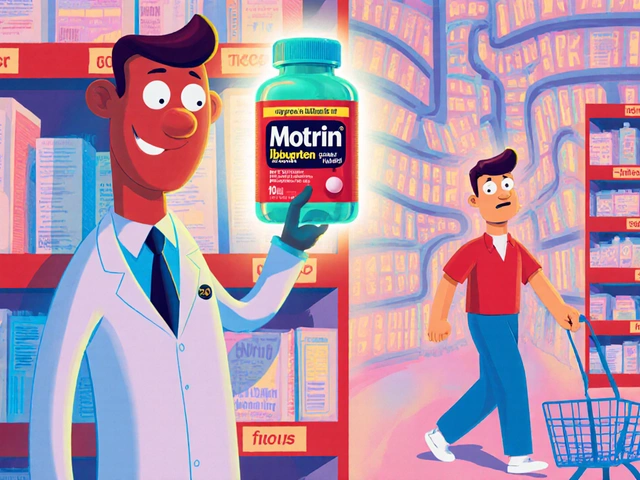
One of the most overlooked dangers is child-resistant packaging, a design standard meant to delay, not block, access by curious children. It works only if you actually close it after each use. Studies show that over 60% of accidental poisonings happen because the cap wasn’t snapped shut. And it’s not just about bottles—patches, liquids, and even gummy vitamins need secure storage. Keep all medicines up high, locked away, and never in purses or drawers kids can reach. Fake pills are another growing threat. Counterfeit drugs look identical to the real thing but can contain deadly doses of fentanyl, rat poison, or nothing at all. Learn how to spot bad packaging: mismatched fonts, blurry logos, or seals that don’t snap properly. If you buy online, stick to verified pharmacies with VIPPS or PharmacyChecker seals.
medication storage, how you keep medicines at home, directly affects their safety and effectiveness. Heat, moisture, and light can break down active ingredients, making them useless or even toxic. Don’t store pills in the bathroom cabinet—humidity ruins them. Keep them in a cool, dry place, like a high closet shelf. And never mix different meds in the same container. A pill that looks like a Tylenol could be a blood pressure drug. Label everything clearly, and throw out expired or unused drugs properly. The CDC and AAP recommend drug take-back programs or mixing pills with coffee grounds before tossing them in the trash. Never flush them unless the label says to.
Another silent risk is pediatric drug interactions, when a child’s medicine reacts badly with another drug, supplement, or even food. For example, calcium supplements can block antibiotics from working. Herbal teas like chamomile might boost sedation from cold meds. Even something as simple as grapefruit juice can change how a drug is processed. Always tell your pediatrician what else your child is taking—even gummy vitamins or probiotics. Don’t assume natural means safe. The same goes for sharing meds between kids. What works for one child might be dangerous for another, even if they’re the same age.
Below, you’ll find real, practical guides on spotting fake medicine, storing meds right, avoiding dangerous mixes, and what to do if a child swallows something they shouldn’t. These aren’t theory pieces—they’re step-by-step checks used by pharmacists and parents who’ve been through it. You don’t need to be a doctor to keep your child safe. You just need to know what to look for—and what to do before it’s too late.
 1 December 2025
How to Safely Dispose of Expired Pediatric Medications
Expired pediatric medications can be dangerous-even deadly-for children. Learn why they’re risky, which ones are most dangerous, and how to safely dispose of them to protect your family.