Antipsychotic Meds Side Effects: What You Need to Know
When you take antipsychotic meds, prescription drugs used to treat psychosis, schizophrenia, and severe bipolar disorder. Also known as neuroleptics, they work by balancing brain chemicals like dopamine—but that balance doesn’t come without trade-offs. These aren’t mild medications. They’re powerful, and their side effects can be serious, long-lasting, and sometimes overlooked.
One of the most common issues is extrapyramidal symptoms, involuntary muscle movements caused by dopamine blockade. Think tremors, stiff muscles, or restlessness that makes sitting still feel impossible. These can show up within days or weeks, and many people mistake them for anxiety or just "feeling weird." Then there’s tardive dyskinesia, a delayed, often permanent movement disorder involving lip-smacking, tongue thrusting, or jaw clenching. It can sneak up after years of use, and once it’s there, reversing it is hard. The risk goes up with older antipsychotics, but even newer ones aren’t risk-free.
Another hidden problem? metabolic side effects, weight gain, high blood sugar, and cholesterol spikes that raise diabetes and heart disease risk. Some antipsychotics make you hungry, slow your metabolism, or mess with how your body handles insulin. You might gain 10, 20, even 50 pounds without changing your diet. And if your doctor doesn’t check your blood sugar or waist size regularly, you won’t know until it’s too late. This isn’t just about appearance—it’s about life expectancy.
Not everyone gets these side effects. Some people take antipsychotics for years with no major issues. But if you’re on one, you need to know what to watch for. Drowsiness? Common. Dry mouth? Normal. But uncontrolled movements, sudden weight gain, or feeling dizzy when you stand up? Those are red flags. Keep a journal. Track your weight. Note when symptoms start. Bring it to your doctor—not just when you’re scheduled, but whenever something feels off.
There’s no one-size-fits-all antipsychotic. What works for one person might wreck another’s body. That’s why switching meds, adjusting doses, or adding another drug to counter side effects is often part of the plan. Some newer drugs have fewer movement problems but more weight gain. Others are gentler on metabolism but can cause low blood pressure or heart rhythm issues. The key isn’t avoiding side effects entirely—it’s managing them before they manage you.
You’ll find real stories here—not theory, not brochures. Real people who’ve lived through these side effects. You’ll see how they spotted the warning signs, what helped them, and what didn’t. You’ll learn how to ask the right questions, how to read safety alerts from the FDA, and how to report problems so others don’t get caught off guard. This isn’t just about knowing the risks. It’s about knowing how to protect yourself—and how to speak up when something feels wrong.
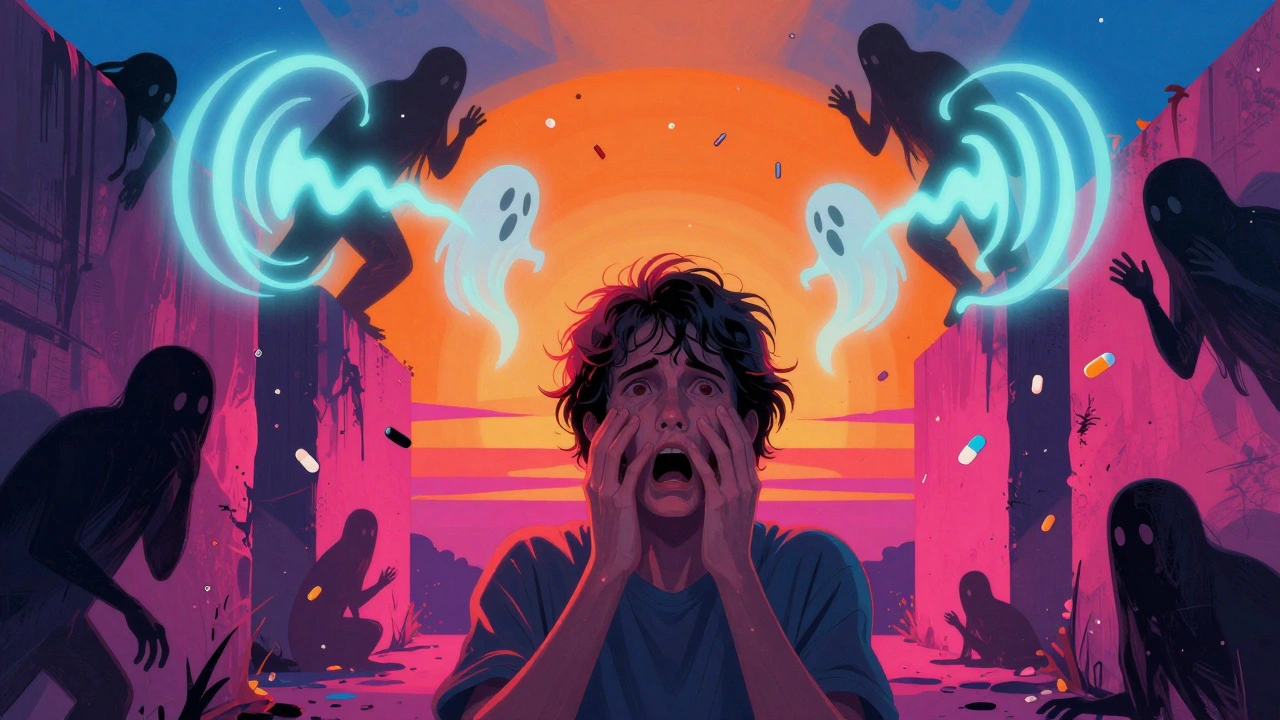 6 December 2025
Medication-Induced Psychosis: Recognizing Symptoms and What to Do in an Emergency
Medication-induced psychosis can strike anyone taking common drugs like steroids or antimalarials. Learn the warning signs, which medications cause it, and what to do in an emergency to prevent long-term damage.