

Every year, millions of Americans take supplements-vitamins, herbs, probiotics, minerals-thinking they’re harmless. But what if that daily fish oil or turmeric pill is quietly messing with your blood pressure medicine? Or what if your morning glass of grapefruit juice is canceling out your cholesterol drug? These aren’t rare accidents. They happen all the time, and most people never tell their pharmacist.
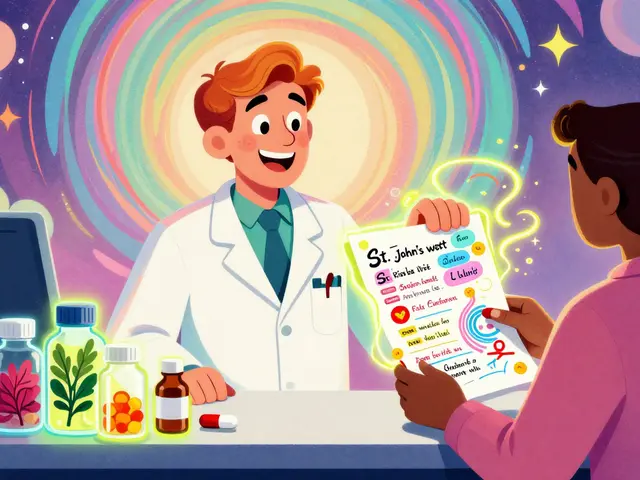
Pharmacists aren’t just the people who hand out pills. They’re trained to spot dangerous overlaps between what you take as medicine and what you take as food or supplement. But you have to talk to them. And you have to talk the right way.
Start with a Complete List-No Exceptions
Before you walk into the pharmacy, write down everything you’re taking. Not just prescription drugs. Not just the big-name supplements. Everything.
- Brand names and generic names of all medications
- Supplements: St. John’s wort, ginkgo, magnesium, CoQ10, fish oil, multivitamins, etc.
- Dosages: 500 mg, 1 capsule twice daily, 1000 IU
- Frequency: Daily? Every other day? Only when you feel sick?
- Food habits: Do you drink grapefruit juice every morning? Eat a lot of leafy greens? Drink milk with your pills?
Don’t say, “I take some vitamins.” That’s not enough. Say: “I take Nature Made Vitamin D3 2000 IU daily, and I take a ginkgo biloba supplement from NOW Foods, 120 mg, once a day.”
Why does this matter? Because a pharmacist can’t help if they don’t know what they’re looking for. A 2025 study found that when patients gave full details, pharmacists spotted dangerous interactions 12 times more often than when patients gave vague answers.
Know the High-Risk Players
Not all supplements are equal when it comes to interactions. Some are quiet. Others are loud-and dangerous.
St. John’s wort is the biggest red flag. It’s in everything from mood support blends to sleep aids. But it can make your antidepressants, birth control, blood thinners, and even HIV meds useless-or worse. It can cause serotonin syndrome, a life-threatening condition that spikes your body temperature, heart rate, and blood pressure.
Goldenseal is another high-risk herb. It can interfere with how your liver processes over 50 common drugs, including statins, blood pressure meds, and diabetes pills. Even if you only take it once a week, it sticks around in your system.
Ginkgo biloba is often taken for memory, but it can thin your blood. If you’re on warfarin or aspirin, even a small dose can raise your risk of bleeding. Same with cranberry-people think it’s just for UTIs, but it can boost the effect of blood thinners.
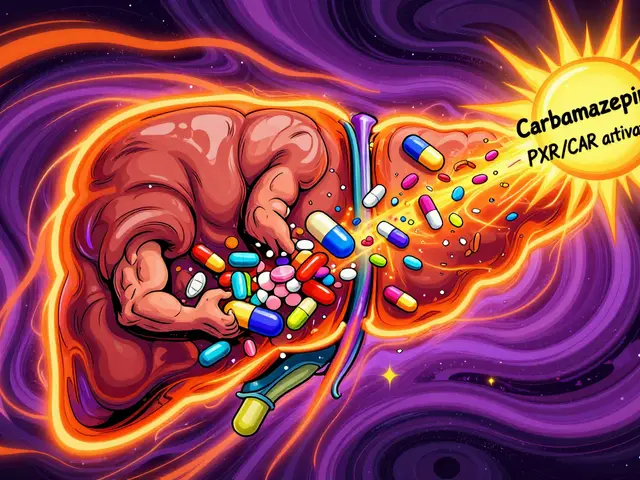
And don’t forget food. Grapefruit isn’t just a fruit-it’s a drug disruptor. It can make your blood pressure meds, cholesterol drugs (like atorvastatin), and even some anxiety pills too strong. One grapefruit can affect you for days.
Dairy products like milk, yogurt, and cheese can block absorption of antibiotics like tetracycline and ciprofloxacin. Calcium supplements do the same. If you take either, space them out by at least two to four hours.
Ask the Right Questions
Don’t wait for the pharmacist to ask you. Go in with questions. Here’s what to say:
- “I take this supplement. Does it interact with my blood pressure pill?”
- “I drink grapefruit juice every morning. Is that safe with my statin?”
- “I started taking magnesium for leg cramps. Could that mess with my heart medication?”
- “I’m taking this herb for anxiety. Could it make my antidepressant less effective?”
- “I’ve been on this medicine for years. Has anything changed with how it interacts with food or supplements?”
Pharmacists are trained to answer these. But they won’t know you’re asking unless you speak up. A 2025 study showed that only 6.7% of pharmacists proactively asked patients about supplement use. That means you have to lead.

Understand What Your Medications Are Stealing From You
Some medicines don’t just interact with supplements-they drain your body of essential nutrients. And you might not even realize it.
- Proton pump inhibitors (PPIs) like omeprazole can lower your levels of vitamin B12, magnesium, and calcium. That means more risk for nerve damage, muscle cramps, and weak bones.
- Metformin, used for type 2 diabetes, depletes B12 and folate. That can lead to fatigue, brain fog, and even numbness in your hands and feet.
- Statins (atorvastatin, simvastatin) reduce your body’s CoQ10. That’s linked to muscle pain and extreme tiredness-common side effects people blame on aging.
- Diuretics (water pills) wash out potassium and magnesium. That can cause irregular heartbeats and cramps.
- Birth control pills lower B vitamins and magnesium, which can affect mood, energy, and hormone balance.
If you’re on any of these, ask your pharmacist: “Could this medicine be depleting any nutrients I should be replacing?” They can tell you if you need a supplement-and which one to pick.
Don’t Trust Labels Alone
The FDA doesn’t test supplements before they hit the shelf. That means what’s on the bottle isn’t always what’s inside.
A 2024 study found that nearly 20% of herbal supplements didn’t contain the herb listed on the label. Some had fillers. Others had hidden drugs. One popular “natural” weight-loss pill was found to contain a banned stimulant linked to heart attacks.
Look for third-party seals: USP, NSF, or ConsumerLab. These mean the product was tested for purity, strength, and contamination. Ask your pharmacist which brands they trust. Most have a short list they recommend.

Timing Matters More Than You Think
It’s not just what you take-it’s when.
Take your thyroid medication on an empty stomach. Wait at least 30 minutes before eating or drinking anything, especially coffee or calcium-rich foods. Calcium can block absorption.
Take iron supplements with vitamin C for better absorption. But don’t take them with tea, coffee, or dairy-they reduce iron uptake by up to 60%.
Take antibiotics like ciprofloxacin at least two hours before or four hours after antacids, calcium, or iron supplements. Even a multivitamin with zinc can interfere.
Pharmacists have access to drug interaction databases that tell them exact timing rules. Ask: “Should I take this supplement before or after my pill? How far apart?”
Don’t Stop or Start Anything Without Talking
People often quit supplements because they think they’re “not doing anything.” But stopping suddenly can cause problems. For example, quitting magnesium while on diuretics can cause muscle spasms or irregular heartbeat.
Same with starting something new. A friend told you ginkgo helps memory? Don’t just buy it. Bring it to your pharmacist first. They’ll check if it’s safe with your current meds-and whether it’s even worth taking.
The American Society of Health-System Pharmacists says: “Never discontinue a supplement or medication without consulting your pharmacist.”
Pharmacists Are More Accessible Than Your Doctor
Over 93% of Americans live within five miles of a community pharmacy. You don’t need an appointment. You can walk in. Many pharmacies now offer free 10-minute med reviews.
Ask: “Can I get a free medication review?” They’ll look at everything you take-prescriptions, supplements, even OTC painkillers-and tell you what’s safe, what’s risky, and what’s unnecessary.
Some pharmacies, like CVS and Walgreens, now have digital tools built into their systems that flag interactions in real time. But those tools only work if you give them the full picture.
Don’t wait until you feel sick. Don’t wait until you have a scary side effect. Go in now. Bring your list. Ask the questions. Save yourself from a preventable problem.
Can I just tell my doctor instead of my pharmacist?
Your doctor should know, but pharmacists are the experts on drug interactions. They see your full medication list, know how each pill works, and track how supplements change those effects. Most doctors don’t have time to memorize every supplement interaction. Pharmacists do. They’re trained for this. Use them.
Are natural supplements always safe?
No. “Natural” doesn’t mean safe. St. John’s wort, goldenseal, and ginkgo are all natural-and all can cause serious reactions when mixed with medications. Just because something comes from a plant doesn’t mean it won’t interfere with your prescription. The FDA doesn’t test supplements before sale, so safety isn’t guaranteed.
What if I forget to mention a supplement?
Bring your list every time you refill a prescription or get a new one. Even if you’ve talked to your pharmacist before, your meds or supplements might have changed. Update them. It only takes two minutes. A missed detail could mean a dangerous interaction goes unnoticed.
Can supplements replace my medication?
No. Supplements are not substitutes for prescribed medication. Some may support your health, like vitamin D for bone strength or omega-3s for heart health, but they won’t lower your blood pressure like lisinopril or control your blood sugar like metformin. Never stop your meds to take a supplement instead.
Do I need to tell my pharmacist about over-the-counter (OTC) meds too?
Yes. OTC painkillers like ibuprofen, cold medicines with decongestants, and even antacids can interact with your prescriptions and supplements. A common mistake: taking a cold pill with blood pressure meds and not realizing it raises your risk of stroke. Include everything.
How often should I talk to my pharmacist about supplements?
At least once a year, or whenever you start or stop a supplement or medication. If you’re on multiple drugs or have a chronic condition like diabetes or heart disease, every six months is better. Your body changes. Your meds change. So should your conversation.
Supplements and food aren’t just extras-they’re part of your treatment plan. The more you share, the safer you are. Don’t assume your pharmacist knows. Don’t assume it’s not important. Your health depends on this conversation.



December 16, 2025 AT 22:39
Marie Mee
I swear the pharmacy is in on it they just want you to buy more pills and supplements are natural so why are they scared of them I think the FDA is paid off by Big Pharma and they don't want you to know you can heal yourself with herbs
December 18, 2025 AT 22:08
Naomi Lopez
Actually the notion that pharmacists are 'trained to spot dangerous overlaps' is a romanticized myth. The reality is that most community pharmacists are underpaid, overworked, and rely on algorithmic alerts that miss 70% of clinically significant interactions. Your list is helpful but superficial - you're not addressing systemic failure, just putting the burden on the patient.
December 19, 2025 AT 02:18
Linda Caldwell
YES. This is so important. I used to take turmeric with my blood thinner and almost ended up in the ER. Talking to my pharmacist changed everything. Bring your list. Ask the questions. You’re worth the two minutes. Your body will thank you.
December 21, 2025 AT 00:29
Anna Giakoumakatou
How quaint. We’ve reduced complex biochemistry to a bullet-point checklist for the emotionally illiterate. Next you’ll tell us to recite our supplement regimen like a prayer before the altar of the white-coated pharmacist. How very… sacramental.
December 21, 2025 AT 09:17
CAROL MUTISO
Let’s be real - supplements are the wild west, and pharmacists are the only sheriffs with a working badge. I used to think ginkgo was just for 'brain boost' until my pharmacist pointed out it was turning my INR into a rollercoaster. Now I bring my whole cabinet every time. It’s not paranoia, it’s precision. And yes, I do call it 'my cabinet.' I’m dramatic like that.
December 22, 2025 AT 20:28
Erik J
Interesting. I’ve never thought about how PPIs drain magnesium. I’ve had cramps for years and assumed it was just aging. I’ll bring my list next time I refill my prescriptions.
December 24, 2025 AT 15:42
BETH VON KAUFFMANN
Let’s not conflate pharmacovigilance with retail theater. The 2025 study cited is methodologically weak - no control for confounding variables, self-reported data, and zero validation of pharmacist expertise. Also, 'Nature Made' and 'NOW Foods' are not gold-standard brands. You're promoting placebo compliance disguised as education.
December 26, 2025 AT 11:12
Martin Spedding
grapefruit juice is literally a drug bomb why are we still letting people drink it with meds like its a brunch thing
December 26, 2025 AT 19:55
Raven C
It is, quite frankly, a tragedy - a moral, intellectual, and pharmacological catastrophe - that the American public is expected to navigate this labyrinthine, life-threatening minefield of polypharmacy with nothing but a handwritten list and a hopeful prayer. The system is not merely broken - it is actively hostile to autonomy, intelligence, and human dignity.
December 28, 2025 AT 17:18
Jessica Salgado
I used to think my fatigue was just stress - turns out it was metformin eating my B12. My pharmacist gave me a sublingual supplement and I feel like a new person. Don’t suffer in silence. Bring your list. They’ve seen it all. And they won’t judge you.