Safe Medication Disposal: How to Get Rid of Old Pills Without Risk
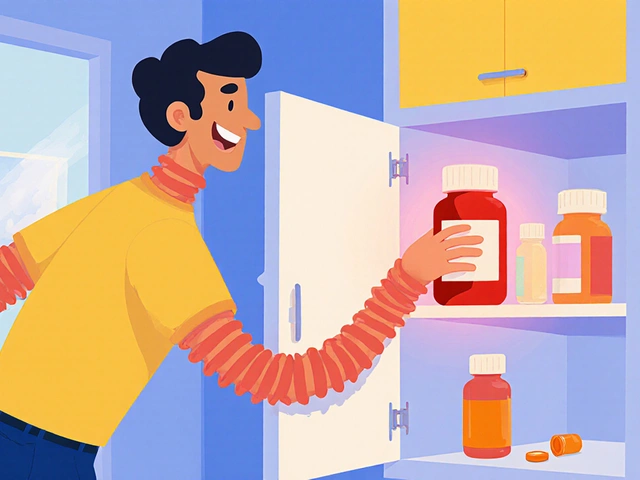
When you stop using a medication—whether it’s expired, no longer needed, or just leftover—safe medication disposal, the proper way to discard unused pharmaceuticals to prevent harm to people and the environment. Also known as drug disposal, it’s not just about cleaning out your medicine cabinet. It’s about stopping pills from ending up in water supplies, falling into the hands of kids or teens, or being misused by someone looking for a quick high. The FDA and CDC agree: flushing pills down the toilet or tossing them in the trash without precautions is risky business.
Many people don’t realize that expired medicine, drugs past their labeled expiration date that may lose potency or break down into harmful compounds still pose dangers. Even if they look fine, they can become unpredictable. And pharmaceutical waste, unused or discarded drugs that enter landfills, waterways, or public spaces doesn’t just disappear. It shows up in drinking water, affects fish and wildlife, and can even contribute to antibiotic resistance. That’s why simple fixes like mixing pills with coffee grounds or cat litter before tossing them in the trash are now the recommended middle ground—if no take-back program is nearby.
You don’t need a special kit or a trip to the hospital to do this right. Most pharmacies, hospitals, and police stations run drug take-back programs where you can drop off unused pills for safe destruction. These are the gold standard. If you can’t find one, the FDA’s flush list includes only a handful of high-risk drugs—like fentanyl patches or oxycodone—that should go straight down the toilet because they’re so dangerous if misused. Everything else? Mix it with dirt, sawdust, or used coffee grounds, seal it in a plastic bag, and throw it in the trash. Remove labels or scratch out personal info to protect your privacy.
Why does this matter so much? Because accidental poisonings in kids under six are still common—and many start with unlocked medicine cabinets. Teens who abuse prescription painkillers often get them from home. And pets? They don’t know the difference between a candy and a pill. Safe medication disposal isn’t just about following rules. It’s about protecting the people and animals you care about, and keeping your community healthier.
Below, you’ll find real guides on how to spot fake pills, avoid dangerous interactions, store meds safely, and report problems to the FDA. These aren’t theory pieces—they’re tools used by people who’ve been there. Whether you’re cleaning out your medicine cabinet this weekend or helping an aging parent sort through years of prescriptions, you’ll find clear, no-fluff steps to do it right.
 1 December 2025
How to Safely Dispose of Expired Pediatric Medications
Expired pediatric medications can be dangerous-even deadly-for children. Learn why they’re risky, which ones are most dangerous, and how to safely dispose of them to protect your family.