PSA Screening: What It Is, Who Needs It, and What to Expect
When it comes to PSA screening, a blood test that measures prostate-specific antigen levels to help detect prostate cancer early. Also known as prostate-specific antigen test, it’s one of the most common tools doctors use to check for prostate issues — but it’s not a simple yes-or-no answer. PSA stands for prostate-specific antigen, a protein made by the prostate gland. A small amount in your blood is normal. But if levels rise suddenly or stay high, it could mean prostate cancer, an enlarged prostate, an infection, or even just a recent bike ride or ejaculation. That’s why doctors don’t rely on PSA alone — they look at trends over time, your age, family history, and symptoms.
Men over 50 are often offered PSA screening, but if you’re Black or have a father or brother who had prostate cancer before 65, you might start at 45. The test itself is simple: a quick blood draw. No fasting, no prep. But the results can be confusing. A PSA of 4 ng/mL used to be the cutoff for concern, but now doctors know that’s too broad. Some men with PSA under 4 still have cancer. Others with PSA over 10 might be perfectly fine. That’s why prostate cancer, a common cancer in men that often grows slowly and may not cause symptoms for years isn’t always treated right away. Active surveillance — watching with regular PSA tests and biopsies — is now a standard option for low-risk cases. This avoids the side effects of surgery or radiation when they’re not needed.
PSA screening doesn’t work the same for everyone. The U.S. Preventive Services Task Force says men 55 to 69 should talk to their doctor about it — it’s a personal choice. For men over 70, routine screening isn’t recommended unless they’re in excellent health and expected to live more than 10 years. Why? Because many prostate cancers grow so slowly they’ll never cause harm, but treatments can lead to incontinence or erectile dysfunction. The goal isn’t to find every cancer — it’s to find the ones that will actually threaten your life.
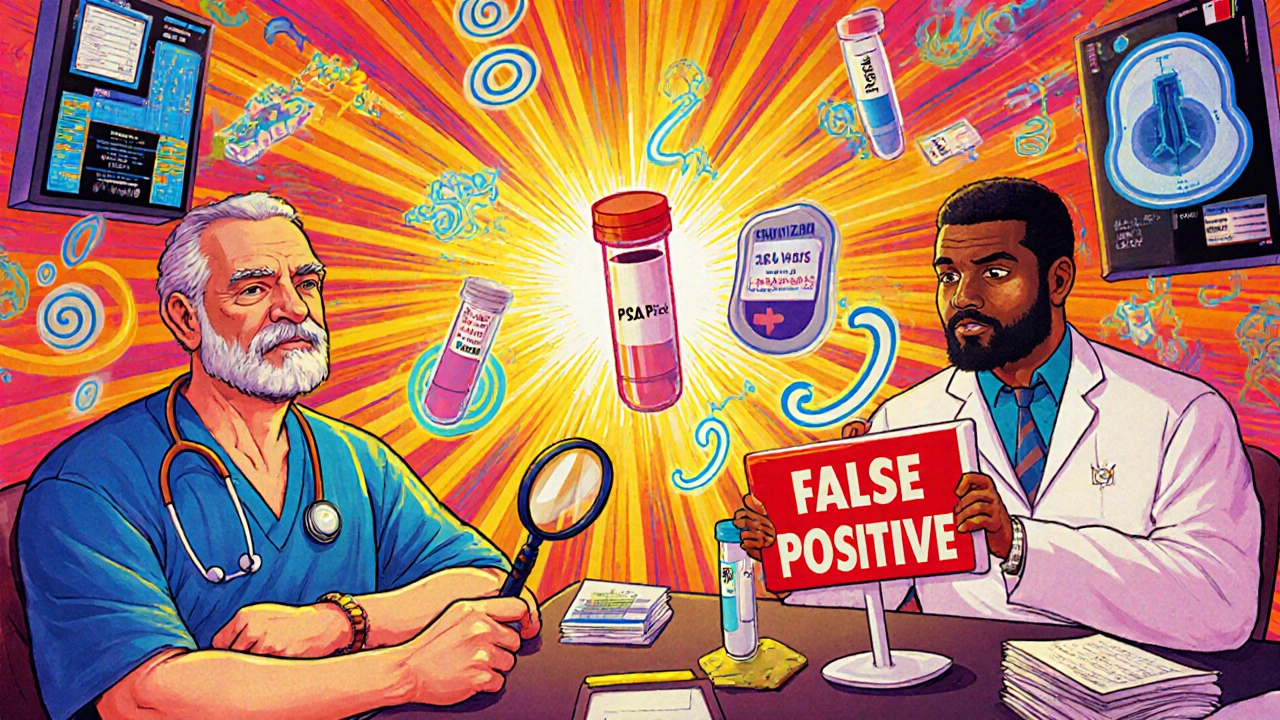
What you’ll find in the posts below are real-world stories and practical guides about how PSA screening fits into broader health decisions. You’ll see how prostate health, the overall condition of the prostate gland, including function, size, and risk of disease connects to other conditions like urinary problems, medication side effects, and even weight loss. You’ll learn how some drugs affect PSA levels, why false positives happen, and how to avoid unnecessary biopsies. There’s no one-size-fits-all approach. But with the right info, you can make smarter choices — whether you’re deciding to get tested, wondering what your numbers mean, or trying to understand next steps after an abnormal result.
 29 November 2025
PSA Screening Controversies: Why Shared Decision-Making Matters for Prostate Cancer
PSA screening for prostate cancer saves some lives but causes widespread overdiagnosis and unnecessary treatment. Shared decision-making ensures men understand the risks and benefits before testing.