Opioid Side Effects: What You Need to Know Before Taking Them
When you take opioids, a class of powerful pain-relieving drugs that include oxycodone, hydrocodone, morphine, and fentanyl. Also known as narcotics, they work by binding to receptors in your brain and spinal cord to block pain signals. But they also slow down your breathing, mess with your digestion, and can change how your brain rewards itself—leading to dependence even when taken exactly as prescribed.
Everyone who takes opioids risks opioid side effects, common reactions like dizziness, nausea, constipation, and drowsiness. But some effects are far more dangerous. Slowed breathing can turn fatal, especially when mixed with alcohol, sleep aids, or benzodiazepines. Over time, your body builds tolerance—you need more just to feel the same relief—and stopping suddenly triggers opioid withdrawal, a harsh set of symptoms including muscle aches, insomnia, diarrhea, vomiting, and intense cravings. This isn’t weakness—it’s biology. The brain rewires itself to rely on the drug, and without it, the body panics.
People with a history of substance use, mental health conditions, or chronic pain are at higher risk for opioid addiction, a chronic condition where drug use continues despite serious harm. But even someone taking a prescription for a broken bone can end up hooked. That’s why doctors now screen patients carefully and limit prescriptions to the shortest duration possible. The opioid overdose, a medical emergency where breathing stops or becomes dangerously slow is preventable with naloxone, a drug that reverses the effects in minutes. Keep it on hand if you or someone you live with takes opioids regularly.
What you’ll find below are real, practical guides on how to spot the early signs of trouble, how to talk to your doctor about safer alternatives, and how to protect yourself and your family from accidental harm. These aren’t theoretical warnings—they’re based on patient experiences, FDA alerts, and clinical reports you can trust. Whether you’re managing chronic pain, caring for someone on opioids, or just want to understand the risks, the articles here give you the facts without the fluff.
 27 November 2025
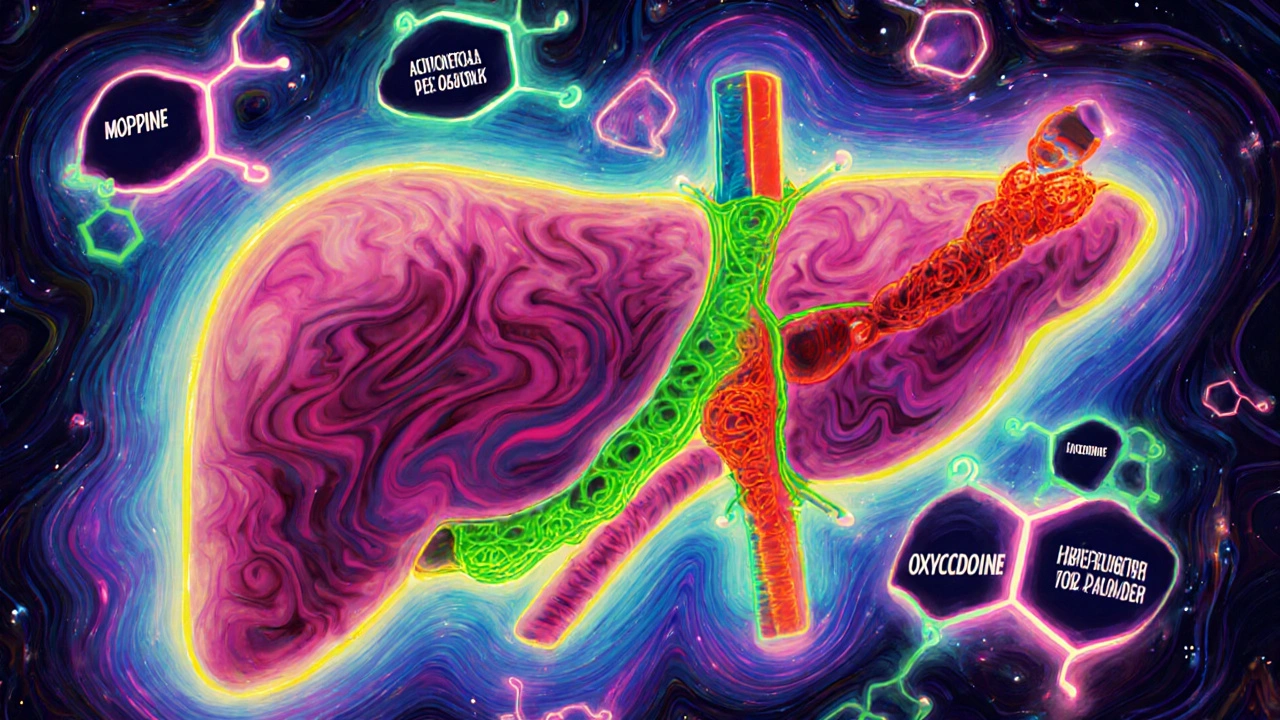
Opioids and Liver Disease: How Impaired Liver Function Changes Pain Medication Risks
Opioids can become dangerously toxic in liver disease due to impaired metabolism. Learn how liver damage alters drug processing, which opioids are riskiest, and how to adjust doses safely to avoid overdose and worsening liver damage.